
Answer Engine Optimization (AEO) is the practice of structuring content so that AI systems—ChatGPT, Perplexity, Google AI Overviews, Gemini, and Claude—can find it, trust it, and cite it directly inside a generated answer. Unlike traditional SEO, which competes for a position on a results page a user has to click, AEO competes for a place inside the answer itself, often before the user ever sees a list of links.
For business owners, this shift matters because a growing share of research and buying decisions now happens inside AI conversations rather than on a search results page. If your content isn’t structured for extraction and citation, it may simply never be part of the conversation—regardless of how well it ranks in traditional search.
What Is Answer Engine Optimization (AEO)? A Clear Definition?
AEO is the discipline of structuring a website so that generative AI platforms select it as the source when answering a category-relevant question, and—where the platform supports it—attribute that answer back to the brand. The metric that matters in AEO isn’t blue-link rank; it’s citation rate inside AI-generated responses.
This is a meaningfully different target from classic SEO. SEO optimizes for a position on a results page that a human clicks. AEO optimizes for selection inside an answer the model composes before the user ever sees a results page at all. A page can rank poorly in traditional search yet still be the exact passage an AI system quotes, if it’s structured clearly enough to be extracted with confidence.
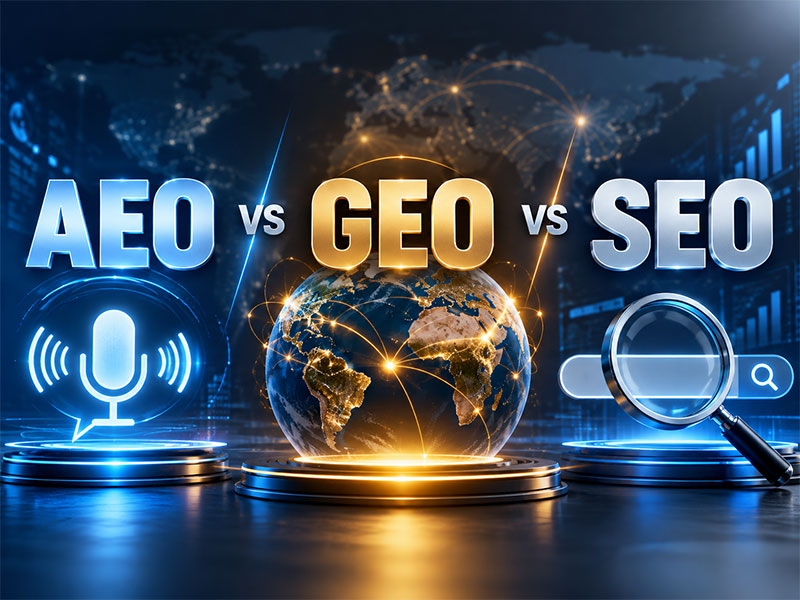
How AEO Differs From SEO and GEO?
AEO, SEO, and Generative Engine Optimization (GEO) are related but distinct, and the terms are often used loosely in marketing content. Here’s a clearer breakdown:
| Discipline | What It Targets | Primary Levers |
|---|---|---|
| SEO (Search Engine Optimization) | Ranking position on traditional search results pages | Keywords, backlinks, technical site performance |
| AEO (Answer Engine Optimization) | Selection and citation inside a specific AI-generated answer | Answer-first structure, entity clarity, schema markup, sourcing |
| GEO (Generative Engine Optimization) | Overall brand presence and framing across the AI discovery ecosystem | Owned content, third-party mentions, broader source ecosystem management |
In practice, these disciplines overlap rather than replace one another. Strong technical SEO still helps a page get discovered and indexed in the first place; AEO then determines whether that page’s content is clear and well-sourced enough to be lifted into an answer; GEO governs the brand’s presence across the whole ecosystem AI systems draw from, not just one page.
Why Answer Engine Optimization Matters Right Now?
The core reason AEO matters is a measurable shift toward zero-click search behavior. Similarweb clickstream data cited in industry analysis puts the share of Google searches that end without a click to an external site at roughly two-thirds, and AI chat platforms are seeing hundreds of millions of weekly active users conducting research directly inside the chat interface rather than through a traditional search results page. Exact figures vary by report and change quickly in this space, but the direction is consistent across every source: fewer users are clicking through after getting an answer.
Google has also begun treating this shift as a first-class part of Search itself. In mid-2026, Google introduced dedicated generative AI performance reporting inside Search Console, giving site owners visibility into how their content performs specifically within AI Overviews and AI-generated results—a signal that answer-layer visibility is now being tracked as its own category, separate from traditional ranking data.
For business owners focused on hyper-personalization at scale, this matters even more directly. AI answer engines don’t return one generic result to every user—they synthesize a response shaped by the specific phrasing, context, and intent of each individual query. A page that is only optimized for a handful of exact-match keywords cannot flex across that many query variations. A page structured around clear entities, explicit definitions, and self-contained answers can be pulled into thousands of differently phrased, differently contextualized responses without being rewritten for each one. That’s what makes AEO foundational to personalization at scale rather than a competing priority.
How Answer Engines Actually Select and Cite Content?
Understanding the selection mechanism is more useful than chasing generic “AEO tips,” because it explains why some pages get cited repeatedly and others never do.
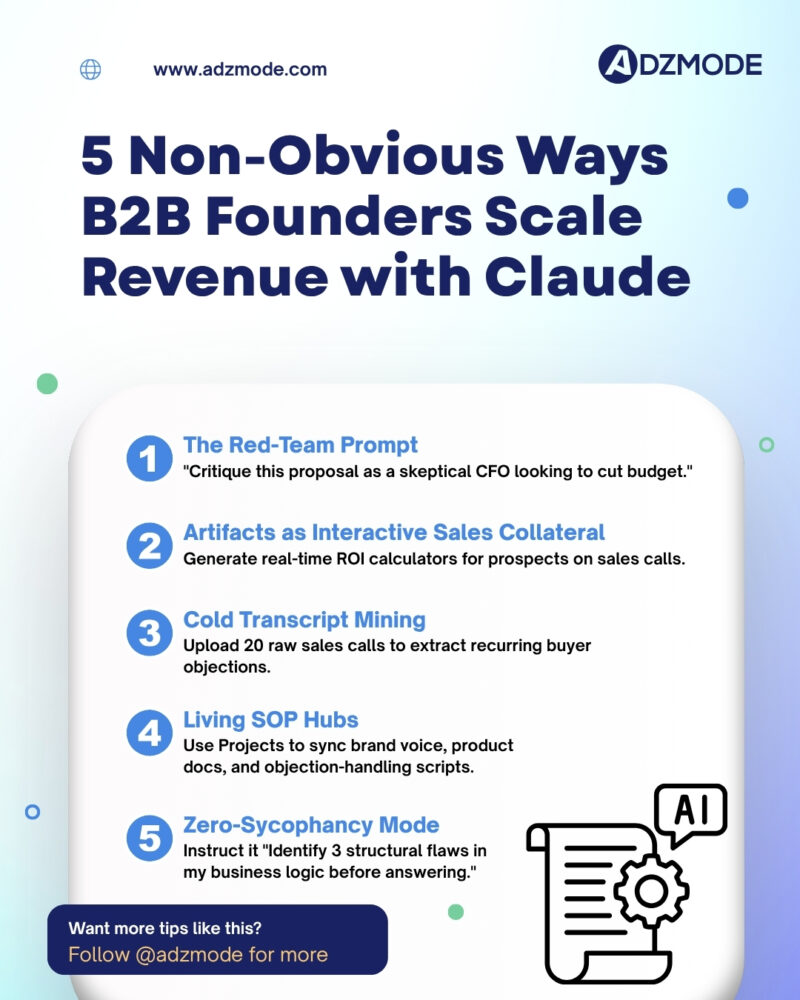
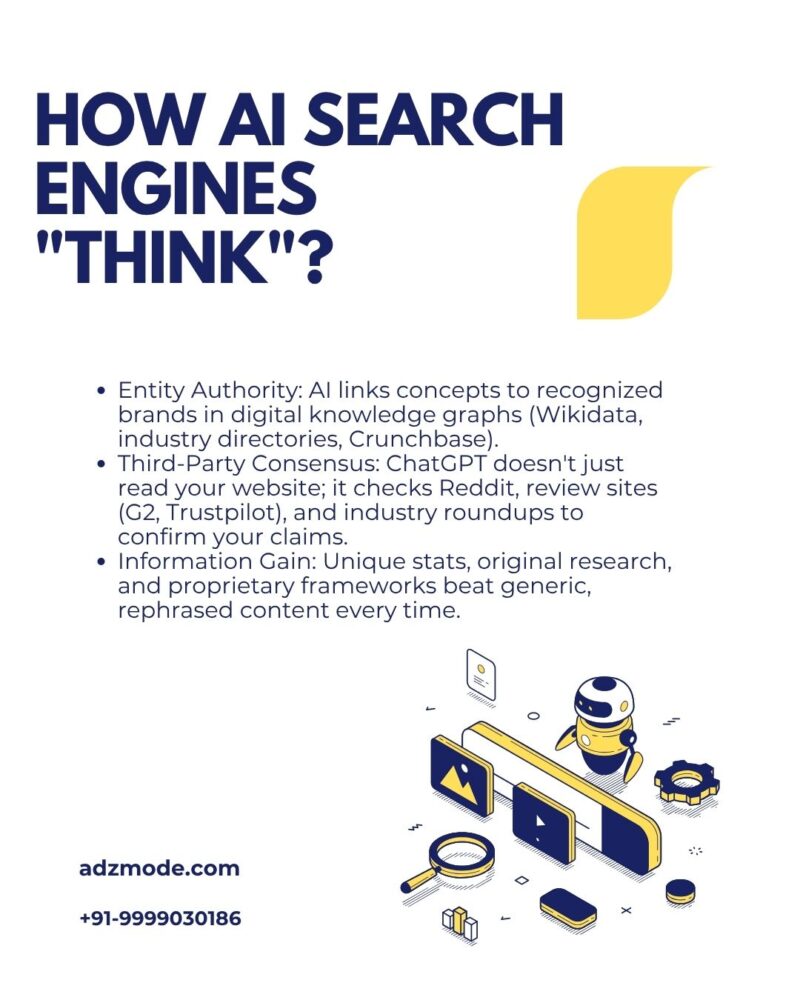
Industry research analyzing citation patterns across ChatGPT, Perplexity, Google AI Overview, and Gemini has consistently found that three controllable variables predict whether a page gets cited: structural clarity, content freshness, and credible sourcing. On freshness specifically, one 2026 industry study of commercial and evaluation-stage queries found the large majority of AI citations came from pages updated within the past year, with a meaningful share refreshed within the last six months—suggesting stale content is systematically deprioritized even when it’s technically accurate.
Structured data also plays a measurable role. Schema types tied to Q&A formats, how-to instructions, articles, organizations, and named authorship tend to have the strongest impact on citation likelihood—but only when the schema markup reflects content that is genuinely visible on the page, rather than hidden or implied metadata designed purely to game the system.
In practical terms, answer engines tend to favor pages that:
- Lead with a direct answer before providing supporting detail, rather than burying the answer under long introductions
- Support claims with evidence—data, named sources, or clear reasoning—instead of unsupported assertions
- Demonstrate topical depth across a subject rather than a single thin page
- Show credible, identifiable authorship rather than anonymous or generic content
- Stay current, especially for commercial or evaluation-stage topics where outdated pricing or features actively mislead

Common Misconceptions About AEO
“AEO replaces SEO.” It doesn’t. Traditional SEO still handles discovery, indexing, and technical site health—the foundation AEO builds on. A page an AI system can’t find or trust in the first place can’t be selected for a citation, no matter how well-structured its answer section is.
“AEO is just keyword stuffing for AI.” The opposite is closer to true. Answer engines are explicitly built to reward clarity and evidence over keyword density, and content that reads as manipulative or repetitive tends to be filtered out during synthesis rather than cited.
“One optimized page is enough.” Because a single page can be cited for one specific claim within it—a definition, a statistic, a comparison—rather than in full, businesses that want durable visibility typically need multiple well-structured pages covering a topic from different angles, not one landing page trying to do everything.
Getting Started With AEO: A Practical Overview
1. Audit for answer-first structure. Identify pages where the core answer to the implied question is buried under several paragraphs of preamble, and move it to the top.
2. Establish entity clarity. Make sure your brand, products, and key concepts are named consistently and explicitly across the site, since AI systems identify entities before evaluating relevance.
3. Add relevant schema markup, particularly FAQPage, HowTo, Article, and Organization schema, matched to content that’s actually visible on the page.
4. Build a freshness cadence. Prioritize updating high-intent, commercial, or evaluation-stage content on a regular schedule rather than publishing once and leaving it static.
5. Track citation performance, not just rankings—monitoring how often your brand is named as a source across AI platforms, alongside traditional traffic and conversion metrics.
Executing this well, consistently, across a growing content library is where most in-house marketing teams start to hit a capacity wall—it requires ongoing technical implementation, schema maintenance, and citation monitoring that goes beyond a one-time content refresh. This is exactly the gap that dedicated answer engine optimization services are built to fill, combining the technical structuring, schema deployment, and ongoing monitoring needed to build and sustain citation visibility rather than treating it as a single project.

Where AEO Fits Into a Broader Marketing Strategy?
AEO doesn’t operate in isolation from the rest of a business’s marketing function—it’s most effective when paired with the broader personalization, targeting, and measurement infrastructure that performance-driven marketing already relies on. Getting cited inside an AI answer is only valuable if it connects to a measurable outcome: a visit, a lead, a conversion. Businesses focused on hyper-personalization at scale typically need this citation-layer work integrated with campaign targeting, audience segmentation, and conversion tracking rather than managed as a disconnected content initiative—which is the kind of cross-channel integration that established performance marketing agencies are positioned to handle, since they already manage the measurement and personalization systems AEO visibility ultimately needs to feed into.
Who Should Prioritize AEO Right Now?
AEO deserves near-term investment for:
- Businesses in categories where buyers commonly research using AI chat tools before visiting a website directly
- Companies with commercial or evaluation-stage content (pricing pages, comparisons, product guides) that changes periodically
- Brands already investing in SEO or content marketing who want that investment to extend into AI-generated answers
- Businesses pursuing personalized marketing at scale, where content needs to serve many different query phrasings and contexts
It’s a lower near-term priority for businesses with very narrow, purely local service areas where AI-driven research plays a smaller role in the buying journey—though this is likely to shift as AI search adoption continues to grow across categories.
CLICK FOR MORE
Common Mistakes Businesses Make With AEO
- Treating it as a one-time project. AEO requires ongoing freshness and monitoring, not a single content audit.
- Adding schema markup that doesn’t match visible content. Structured data describing information that isn’t actually readable on the page undermines trust signals rather than building them.
- Optimizing only the homepage. Citation opportunities exist at the level of individual claims and pages, not just a single flagship page.
- Ignoring traditional SEO fundamentals. AEO cannot substitute for basic discoverability, site speed, and indexing health.
- Measuring only traffic, not citations. Traffic can decline even as brand visibility inside AI answers increases, so citation tracking needs to be treated as its own metric.
Key Takeaways
- Answer Engine Optimization (AEO) is the practice of structuring content so AI systems select and cite it directly inside generated answers, not just rank it on a results page.
- AEO, SEO, and GEO are complementary disciplines, not competitors—SEO drives discovery, AEO drives citation, and GEO governs overall AI-era brand presence.
- Structural clarity, content freshness, and credible sourcing are the three factors most consistently linked to whether a page gets cited by AI answer engines.
- AEO is foundational to hyper-personalization at scale, since well-structured, entity-clear content can flex across many different AI-generated responses without manual rewrites.
- Sustaining AEO performance typically requires ongoing technical and monitoring work, which is why many businesses turn to specialized answer engine optimization services or performance marketing agencies to execute it consistently.
Frequently Asked Questions
What is Answer Engine Optimization in simple terms?
AEO is the practice of structuring website content so AI systems like ChatGPT, Gemini, and Google AI Overviews can understand, trust, and directly cite it when answering a user’s question, rather than the user needing to click through to a website.
Is AEO the same as SEO?
No. SEO optimizes for ranking position on a traditional search results page that a user clicks. AEO optimizes for being selected and cited inside an AI-generated answer, which can happen even when a page doesn’t rank at the top of traditional search.
How is AEO different from GEO?
AEO focuses narrowly on the answer layer—getting a specific page or claim cited in a specific response. GEO is broader, covering a brand’s overall presence, framing, and reputation across the entire AI discovery ecosystem, including sources the brand doesn’t directly control.
Do businesses still need traditional SEO if they invest in AEO?
Yes. Traditional SEO handles discovery and indexing—the technical foundation that allows AI systems to find a page in the first place. AEO then determines whether that page is structured clearly enough to be extracted and cited once found.
How long does it take to see results from AEO?
There’s no fixed timeline, since it depends on the platform, content freshness, and competitive landscape. Freshness appears to matter significantly for commercial and evaluation-stage content specifically, based on recent industry citation research, which suggests a regular update cadence, not a one-time project, drives sustained visibility.
What’s the easiest first step for a business new to AEO?
Auditing existing high-intent pages to check whether the direct answer to the implied question appears near the top of the page, rather than buried under introductory paragraphs, is typically the fastest and lowest-cost starting point.
Can small businesses realistically compete with large brands on AEO?
To some extent, yes. Because AI systems select individual claims and pages rather than ranking entire domains the way traditional SEO does, a smaller business with one exceptionally clear, well-sourced page on a specific topic can be cited over a larger competitor’s less structured content on the same subject.
About the Author: Harleen Kaur

Mrs. Harleen is a Digital Marketing professional and Gen AI SEO expert based in New Delhi. Academically backed by an IIT Digital Marketing Certification and two prestigious IBM credentials — Gen AI Certified for Digital Marketing and a Master's in Gen AI SEO — Harleen specialises in helping businesses grow their digital presence using the latest AI-driven strategies. Her insights are grounded in both technical expertise and real-world application. Prompting essentials from IBM.
Share Your Project Requirements With Us


One Comment
Comments are closed.



[…] Why AEO […]