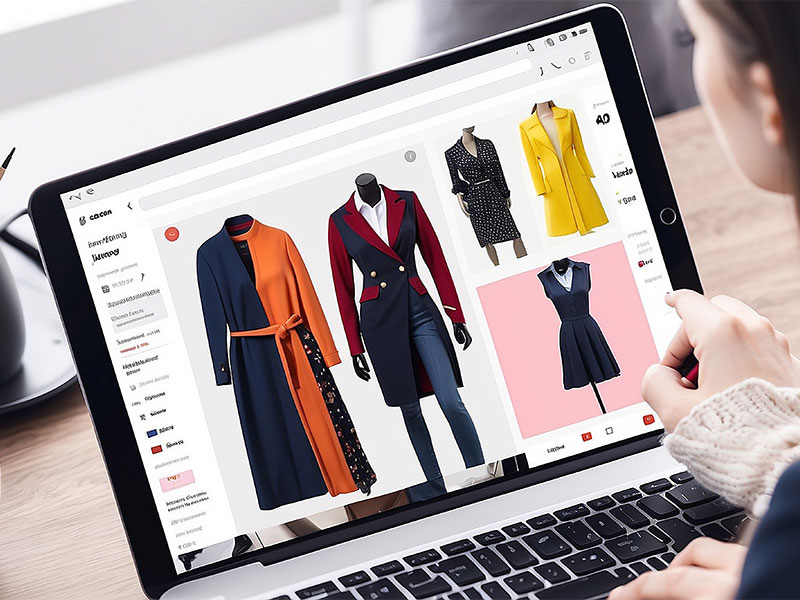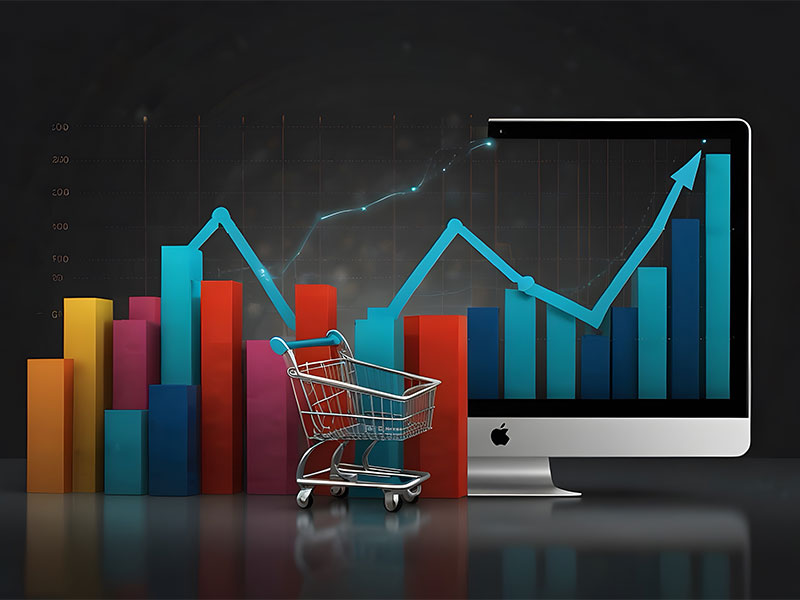
Most retail businesses in 2026 have an online presence. Very few have an online sales system. The difference between those two things is the difference between an eCommerce store that generates occasional revenue and one that generates compounding, predictable, scalable growth. Global eCommerce revenue surpassed $6.5 trillion in 2025 and continues accelerating—but the distribution of that revenue is increasingly unequal. The retail businesses capturing disproportionate share are not those with the largest budgets or the most products. They are those who have built the complete system: the right traffic sources, the highest-converting product pages, the tightest checkout experience, and the retention infrastructure that turns first purchases into lifetime customer value.
Understanding how to increase online sales for retail business growth is not a single-tactic question. It is a system design question—and this guide delivers the complete answer. From conversion rate fundamentals to channel-specific growth tactics to lead generation infrastructure, what follows is the 2026 eCommerce growth playbook built from current performance data that the highest-growth retail businesses are already using.
Start With Conversion—Not Traffic
The single most common and most costly mistake retail businesses make when they want to increase online sales is investing in more traffic before fixing their conversion rate. Sending more visitors to a store that converts at 1% is less commercially productive than sending the same visitors to a store that converts at 3%—and the conversion improvement costs a fraction of the traffic increase required to produce the same revenue outcome.
Industry average eCommerce conversion rates in 2026 sit between 1.5% and 3.5% for general retail. Niche and specialty retailers with well-optimized stores reach 4% to 8%. The gap between a 1.5% and a 3.5% conversion rate on identical traffic is a 133% revenue difference with zero increase in marketing spend, which makes conversion optimization the highest-return investment available before any channel investment is made.
The conversion improvements that produce the largest measurable impact:
Mobile experience as the primary revenue variable
57% of all digital purchases are now completed on mobile devices, and stores with mobile page load times under two seconds convert at 1.5 to 2 times the rate of slower competitors. Mobile is not a secondary consideration—it is the primary conversion battleground, and every week a retail business operates with a slow, friction-heavy mobile experience is a week of preventable revenue loss.
Custom checkout implementation
custom checkout flows consistently show 15% to 40% improvement in add-to-cart-to-purchase conversion rates compared to generic platform checkout experiences. The specific frictions that generic checkout produces—excessive form fields, limited payment options, poor trust signal placement, and no guest checkout—are among the highest-value individual conversion fixes available. Integrating one-click checkout tools like Shop Pay, Apple Pay, and Google Pay addresses the mobile payment friction that accounts for a significant proportion of abandoned carts.
Product page quality as the conversion foundation
clean, keyword-rich titles; benefit-driven product descriptions that answer the specific questions buyers have before purchasing; high-quality, mobile-optimized images from multiple angles; and customer review integration are the product page elements that most directly determine whether a visitor purchases or leaves. Listings with 100 or more genuine reviews convert at three times the rate of those with fewer than 20—making review generation one of the highest-leverage conversion investments available to retail businesses.

Strategy 1: Build Your SEO Foundation for Long-Term Traffic Ownership
Paid traffic is expensive to maintain. Organic search traffic, built through deliberate SEO investment, compounds over time—producing the sustainable, low-cost-per-visit traffic that retail businesses with the strongest long-term growth trajectories build their revenue on.
The retail SEO strategy that produces the strongest commercial returns in 2026 combines three specific components:
1. Transactional page optimization
product and category pages optimized for the specific high-intent search queries that buyers use when they are ready to purchase. Keyword-rich titles, structured data markup for rich snippet visibility, comprehensive product information that answers pre-purchase questions, and mobile-first page architecture are the core elements. Regular listing audits every 60 to 90 days with updated keywords and fresh visuals maintain the search visibility that stagnant listings lose over time.
2. Informational content for mid-funnel capture
blog posts, buying guides, and comparison content that capture buyers in the research and consideration stage before they have decided where to purchase. A retail brand that ranks for “best [product category] for [specific use case]” is reaching buyers at the exact moment their brand preferences are forming—and capturing that moment with genuinely useful content builds the organic traffic and topical authority that product-page SEO alone cannot establish.
3. Technical SEO and Core Web Vitals
headless eCommerce implementations among mid-market retailers produced a 10% to 25% conversion uplift in mobile-heavy categories in 2025 to 2026, driven primarily by Core Web Vitals improvement. Site speed, mobile usability, and structured data are the technical foundations that determine whether the content investment translates into search visibility.
Strategy 2: Deploy Paid Advertising With a Revenue-First Architecture
Organic traffic builds a long-term asset. Paid advertising captures the high-intent buyers who are ready to purchase now. The retail businesses that produce the strongest overall digital sales growth use both, with paid advertising structured around the channels and targeting approaches that produce measurable revenue return rather than visibility metrics.
The paid advertising architecture that delivers the strongest retail eCommerce returns:
Search advertising for purchase-intent traffic
Google Shopping and Search ads targeting the specific high-commercial-intent queries that buyers use when they are ready to purchase a product in your category. These campaigns reach buyers at the maximum commercial intent moment—when they are actively searching for what you sell—and produce above-average conversion rates as a result.
2. Social commerce advertising for discovery
Meta, Instagram, and Pinterest advertising that combines product showcase creative with precise audience targeting to reach buyers whose behavior and interest signals indicate high category affinity, even when they are not actively searching. Short-form video ad formats consistently produce the highest return on investment in retail social advertising—combining product demonstration with the emotional resonance that purchase motivation requires.
3. Retargeting as the non-negotiable floor
retargeting campaigns that reconnect with website visitors, product viewers, and abandoned cart users with specific, personalized creative are consistently the highest-converting and lowest-cost-per-acquisition campaigns in retail digital advertising—because they reach the audience with the highest demonstrated purchase intent. Companies using automated retargeting report a 22% drop in acquisition costs compared to acquisition-only strategies. Every retail business with any eCommerce revenue should have retargeting running before any prospecting campaign is scaled.
4. Performance-first campaign management
tracking ROAS and ACOS weekly, running A/B tests on creatives and keywords, and combining Google, Meta, and marketplace ads while retargeting past buyers produces 2x better ROI than undifferentiated ad spend. Ad budgets do not guarantee results—a data-driven strategy does.
This is precisely where partnering with experienced performance marketers who specialize in retail eCommerce creates the most directly measurable competitive advantage. Performance marketers bring the data architecture, campaign design expertise, and continuous optimization discipline that transforms advertising spend from a cost center into a revenue-generating system—connecting every paid channel investment to measurable ROAS and customer acquisition outcomes calibrated to your specific retail category, product margins, and growth objectives. For retail business owners who recognize that their paid advertising results are limited by strategy rather than budget, performance marketers with proven retail eCommerce expertise are where that strategic gap is closed most effectively.

Strategy 3: Build an Email Marketing System That Generates Sales on Autopilot
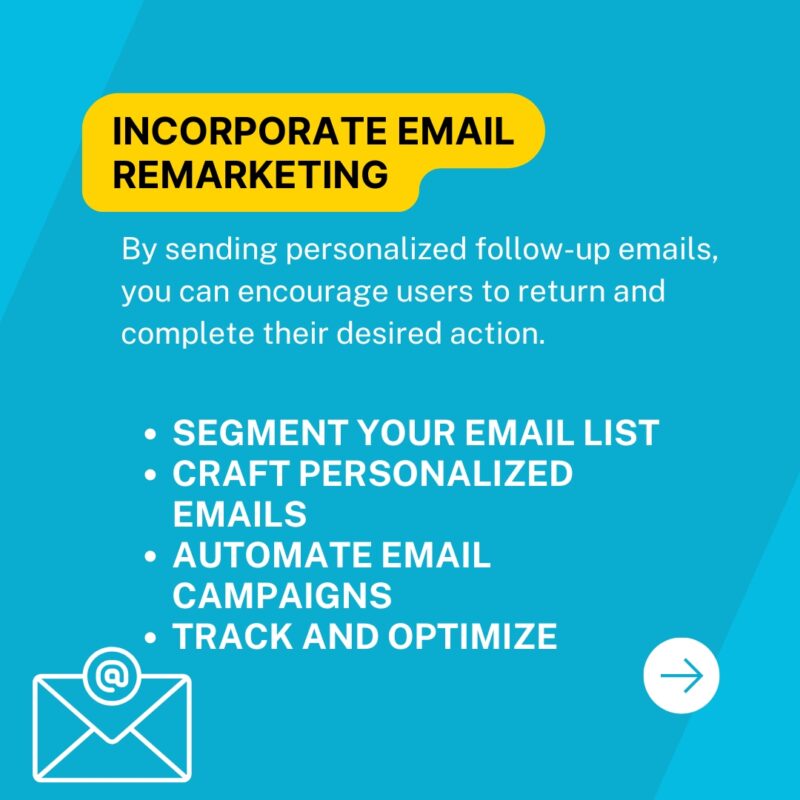
Email marketing delivers the highest return on investment of any retail digital channel—between $36 and $42 for every $1 spent—and the gap between a basic broadcast program and a sophisticated automation system in that return is significant. For retail businesses, email automation is the revenue infrastructure that continues generating sales without continuous active management.
The automation sequences that generate the strongest retail revenue returns:
Abandoned cart recovery
triggered within one hour of cart abandonment, with follow-up at 24 and 72 hours, recovering between 5% and 15% of the completed purchase intent that frictionless checkout alone does not capture. For any retail business with eCommerce revenue, this is the single highest-priority automation deployment available—positive ROI from the first week of operation.
2. Welcome sequence
three to five emails over the first fourteen days after email capture, delivering brand story, best-seller introduction, social proof, and first-purchase incentive during the highest-engagement window in the subscriber lifecycle. Welcome email open rates average nearly three times standard broadcast rates—making this sequence the most efficient email investment per subscriber.
3. Post-purchase nurture
order confirmation, product usage guidance, review request, cross-sell recommendation, and repeat purchase incentive delivered over 30 days post-purchase. This converts single transactions into repeat customer relationships and builds the lifetime value that retail businesses with the strongest unit economics are built on.
4. Segmented promotional campaigns
promotional emails sent to audience segments defined by purchase history, product category affinity, and engagement level produce significantly higher open, click, and conversion rates than identical content sent to an undifferentiated full list—because relevance is the primary driver of email engagement.
Strategy 4: Master Social Commerce as a Direct Revenue Channel
Social commerce is generating trillions in global retail sales and is no longer a future channel—it is a current revenue infrastructure that the highest-growth retail businesses are investing in with the same seriousness as their own website. The specific social commerce investments that produce the most direct retail revenue:
1. Short-form video as the primary product discovery format
Reels, TikTok, and YouTube Shorts consistently deliver the highest ROI of any content format in retail social commerce. Two to three educational or product demonstration videos per week—showing products in context, communicating brand personality, and reaching algorithmically distributed audiences beyond your existing following—build both brand awareness and direct purchase conversion simultaneously.
2. Shoppable posts and in-app checkout
product tags that enable purchase completion within the social platform, eliminating the friction between product discovery and purchase that every additional redirect step between them produces. In-app checkout captures the impulse purchase intent that multi-step redirect checkout consistently loses.
3. User-generated content as conversion infrastructure
92% of consumers trust peer-created content over brand messaging. A systematic UGC strategy—branded hashtags, post-purchase content requests, active customer features, and credit—builds the authentic social proof that converts consideration into purchase more reliably than brand-produced content at any production quality level.
4. Micro-influencer partnerships in your specific product category
influencer posts with discount codes and shoppable links are among the top purchase motivators for social commerce buyers, because personal recommendation combined with purchase ease produces the trust-plus-convenience combination that conversion requires.
CLICK FOR MORE
Strategy 5: Implement Lead Generation Infrastructure That Fills Your Funnel
Traffic without capture is the eCommerce equivalent of water through a leaky bucket. Retail businesses that generate consistent online revenue growth have lead generation infrastructure that captures a significant percentage of their traffic as email subscribers, retargeting audiences, and qualified prospects—before any purchase decision is made.
The lead generation mechanics that produce the highest-quality retail prospect capture in 2026:
Exit-intent popups and on-site offers
visitors who are about to leave without purchasing are the highest-intent pool available for lead capture. Exit-intent popups offering a specific value exchange—a first-purchase discount, a downloadable buying guide, a quiz that personalizes product recommendations—convert a meaningful percentage of leaving visitors into email subscribers who can be nurtured toward purchase through the automation sequences above.
2. Quizzes and interactive product finders
interactive tools that help buyers identify the right product for their specific needs produce above-average lead capture and above-average conversion rates, because they simultaneously capture the prospect and begin the personalization that conversion requires. A well-designed product recommendation quiz can increase email capture rates by 40% to 55% compared to static discount-offer popups.
3. Loyalty and referral programs
structured first-party data collection through loyalty sign-up, combined with incentivized referral mechanics, builds the owned audience that third-party data deprecation makes increasingly critical. Privacy updates from Apple and Google have already made third-party cookie-based targeting unreliable for many retailers—and the businesses that built first-party data infrastructure before those changes landed are the ones whose customer acquisition costs have remained stable while competitors’ have tripled.
4. Content marketing as a lead magnet
buying guides, comparison content, and how-to resources that capture buyers in the research stage before they are ready to purchase, with email capture gates or contextual opt-in opportunities that convert research intent into subscriber relationships that can be nurtured toward purchase over time.
Strategy 6: Optimize the Post-Purchase Experience for Lifetime Value
The most underinvested commercial opportunity in most retail eCommerce businesses is the post-purchase experience—the specific period between order completion and the next purchase opportunity when customer relationship quality is established and the lifetime value trajectory is determined.
Repeat purchase rate improvement is the highest-margin revenue growth available to retail businesses, because repeat customers have zero acquisition cost and above-average order values compared to first-time buyers. The specific post-purchase optimizations that produce the strongest lifetime value returns:
Fast, transparent fulfillment
next-day delivery has become a baseline expectation for a growing percentage of online retail customers in 2026, and fulfillment speed directly impacts both review scores and repeat purchase rates. Keeping 10 to 15% buffer stock, using platform-managed fulfillment for top SKUs, and communicating delivery status proactively are the fulfillment practices most directly connected to repeat purchase behavior.
2. Review generation as a conversion asset
systematic post-purchase review requests that convert purchase satisfaction into the social proof that future buyers use to make purchase decisions. Every retail business should have a review generation process that produces consistent review accumulation—because listings with strong review profiles convert at three times the rate of those without them.
3. Cross-sell and upsell sequences
product recommendations based on purchase history delivered through post-purchase email sequences that surface the complementary products most likely to match the buyer’s demonstrated interest profile. Behavioral product recommendations increase average order value by an average of 15.7%—making personalized cross-selling one of the most accessible revenue growth levers available.
4. Loyalty program mechanics
points accumulation, tier progression, and exclusive member access—give buyers a commercial and psychological reason to purchase from you again rather than from a competitor offering a similar product. Loyalty program members purchase at significantly higher frequency and with significantly higher lifetime value than non-members, and building the program before the customer relationship ends is always less costly than attempting to win back a lapsed customer.

Strategy 7: Use Data to Make Every Investment Decision
Every strategy above produces its maximum return only when it is measured with the commercial precision that identifies what is working and what is not—and when those measurements drive continuous optimization rather than set-and-forget deployment.
The retail eCommerce measurement framework:
Conversion rate by traffic source
identifying which channels are delivering visitors who purchase versus visitors who browse and leave. This metric drives the channel investment decisions that improve overall marketing ROI.
2. Customer acquisition cost by channel
total channel investment divided by new customers acquired through it. Comparing CAC across channels identifies the most cost-efficient acquisition investments in your specific retail context.
3. Revenue per email subscriber
the commercial productivity of your email list. This metric identifies whether your email marketing is generating the revenue return that justifies the list-building investment.
4. Return on ad spend by campaign
ROAS tracked weekly by campaign, creative, and audience segment. Campaigns, creatives, and audiences that produce below-target ROAS are optimized or paused. Those that exceed targets are scaled. This disciplined approach is what separates retail businesses that generate strong paid advertising ROI from those that generate strong advertising activity.
This integrated measurement and optimization framework is where the value of dedicated retail digital marketing services becomes most directly commercial. Quality retail digital marketing services bring the analytics infrastructure, channel expertise, and strategic optimization discipline that connects every digital marketing investment to measurable revenue outcomes—rather than running each channel as an independent activity disconnected from the overall commercial result. For retail business owners who recognize that the gap between their current online sales performance and their growth potential lies in the integration and optimization of their digital marketing investment, retail digital marketing services are where that integrated performance architecture is built most precisely and most productively.
Building Your Own D2C Website: The Long-Term Revenue Ownership Play
Marketplace presence (Amazon, Flipkart, Myntra) generates accessible traffic but creates permanent dependency on platform rules, fee structures, and algorithm changes that are outside your control. The retail businesses that build the strongest, most resilient online revenue streams in 2026 treat their own website as the primary brand and commercial hub—driving traffic from every digital channel to an owned environment where customer relationships, data, and repeat purchase mechanics belong entirely to them.
The specific D2C website investments that produce the strongest commercial return: fast, mobile-optimized technical performance; intuitive navigation and category architecture; trust signal placement at every decision point in the purchase journey; one-click reorder capability for returning customers; and the loyalty program infrastructure that builds the returning customer base that marketplace-dependent businesses can never access directly.
A D2C website is not an alternative to marketplace presence—it is the complement that converts the marketplace customer acquisition into the owned customer relationship that sustainable retail business growth requires.
FAQ: How to Increase Online Sales for a Retail Business
1. What is the fastest way to increase online sales without increasing my marketing budget?
Conversion rate optimization is the highest-return sales increase investment available without a budget increase—because it produces more revenue from your existing traffic. The specific highest-impact CRO investments: mobile page speed improvement, checkout simplification with digital wallet payment options, abandoned cart email automation deployment, and product page quality improvement, including image quality and review accumulation. A retail store that moves from 1.5% to 3% conversion rate on identical traffic has doubled its revenue without spending an additional rupee on traffic acquisition.
2. How important is mobile optimization for retail online sales in 2026?
Mobile is no longer a secondary channel—it is the primary purchase channel for most retail categories. 57% of all digital purchases are completed on mobile devices in 2026, and stores with sub-two-second mobile load times convert at 1.5 to 2 times the rate of slower competitors. Mobile optimization—including page speed, thumb-friendly navigation, mobile-first product presentation, and mobile payment integration—is the single highest-priority technical investment for retail businesses whose conversion rate is below their category benchmark.
3. How long does it take to see results from SEO investment for my online retail store?
Paid channels produce measurable results within 30 to 60 days of a well-structured campaign launch. Email automation sequences produce positive ROI from the first month of deployment. Organic SEO investment typically requires three to six months before producing consistent, measurable organic traffic growth—but produces the most durable long-term commercial returns because the organic traffic asset compounds rather than depreciating when investment pauses. The most effective retail eCommerce growth strategy combines paid and email channels for immediate revenue results while organic SEO builds the sustainable long-term traffic foundation.
4. What is the most underinvested online sales strategy for retail businesses?
Post-purchase experience optimization is consistently the most underinvested commercial opportunity in retail eCommerce—because most businesses focus almost entirely on acquisition while underinvesting in the retention that converts single transactions into lifetime customers. The specific return: repeat customers have zero acquisition cost, purchase more frequently, convert at higher rates, and generate significantly higher lifetime value than first-time buyers. A retail business that improves its repeat purchase rate from 15% to 30% of customers has effectively halved its average customer acquisition cost without reducing new customer acquisition at all.
5. Should I invest in my own website or focus on marketplace selling?
The highest-resilience retail revenue strategy uses both—with your own D2C website as the primary brand and customer relationship hub, and marketplace presence (Amazon, Flipkart, and category-relevant platforms) as an additional traffic and customer acquisition source. Marketplace-only strategies create platform dependency that makes revenue vulnerable to fee changes, algorithm updates, and platform policy changes outside your control. Own-website-only strategies sacrifice the significant organic traffic and customer acquisition that marketplace platforms provide. The integration of both—driving marketplace customers into your owned email list and loyalty program over time—produces the most resilient and most compounding retail revenue architecture available.
6. How do I generate quality leads online for my retail business?
The highest-quality retail lead generation combines exit-intent capture (popups offering genuine value exchange for email subscription), interactive tools (product finders and quizzes that personalize the purchase experience while capturing contact information), content marketing (buying guides and comparison content that attract research-stage buyers into your email funnel), and loyalty program sign-up mechanics. The critical 2026 priority is first-party data building—third-party cookie deprecation has made retailer-owned customer data the most valuable long-term commercial asset in retail digital marketing, and the businesses building that asset most aggressively now are the ones whose customer acquisition costs will remain most stable as third-party targeting continues to deteriorate.
About the Author: Harleen Kaur

Mrs. Harleen is a Digital Marketing professional and Gen AI SEO expert based in New Delhi. Academically backed by an IIT Digital Marketing Certification and two prestigious IBM credentials — Gen AI Certified for Digital Marketing and a Master's in Gen AI SEO — Harleen specialises in helping businesses grow their digital presence using the latest AI-driven strategies. Her insights are grounded in both technical expertise and real-world application. Prompting essentials from IBM.
Share Your Project Requirements With Us