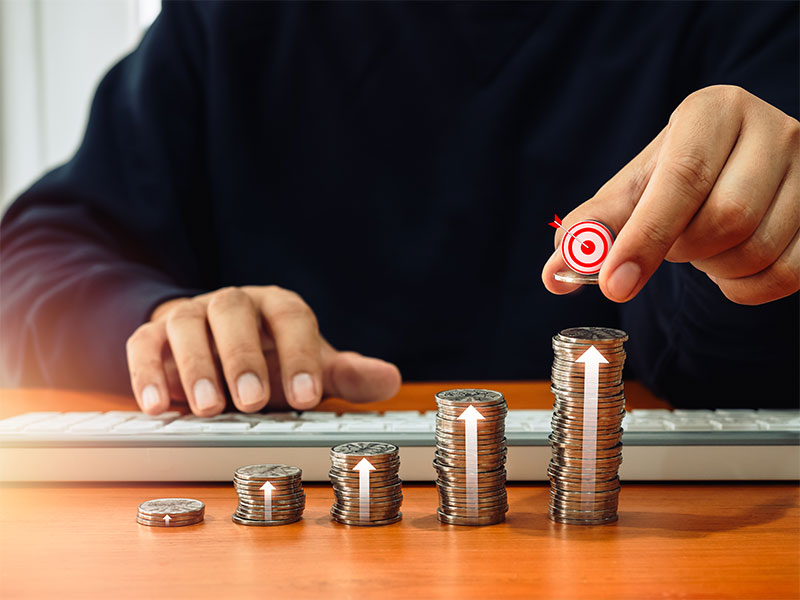
Let’s talk about the elephant in every fashion eCommerce owner’s room: for every customer who buys from your store, there are 5-10 who browse, add items to cart, and then… disappear forever. That’s not a failing on your part—it’s just how online shopping works. The average cart abandonment rate for fashion eCommerce hovers around 70%. Yes, seventy percent. Thousands of dollars in potential revenue are slipping through your fingers every single month. But here’s the good news: those “lost” customers aren’t really lost. They’re just distracted, hesitant, or waiting. And implementing smart remarketing strategies for fashion eCommerce stores can bring them back, recover those abandoned carts, and dramatically increase your overall conversion rate.
Remarketing (also called retargeting) is essentially the art of re-engaging people who’ve shown interest in your products but haven’t purchased yet. It’s following up with the digital equivalent of “Hey, still thinking about that dress you loved?” And when done right, it’s one of the highest-ROI marketing tactics available to fashion brands.
Let’s break down exactly how to turn those browsers into buyers.
Understanding Why Fashion Shoppers Abandon Carts
Before diving into specific remarketing strategies for fashion eCommerce stores, you need to understand why customers leave without buying in the first place.
The Top Reasons for Cart Abandonment in Fashion
- Unexpected costs: Shipping fees or taxes that appear at checkout kill conversions. 48% of shoppers abandon because costs are higher than expected.
- Just browsing: Many fashion shoppers add items to a cart as a wishlist, intending to decide later. They’re not ready to buy yet.
- Comparison shopping: They’re checking your prices against competitors or waiting to see where they get the best deal.
- Sizing concerns: Fashion’s biggest challenge—uncertainty about fit. Will it look good? Will it fit? These doubts stop purchases.
- Decision paralysis: Too many choices, uncertainty about which color or style, or needing time to think.
- Payment friction: Complicated checkout, having to create accounts, or not seeing preferred payment options.
- Distraction: Life happens. Phone calls, doorbells, screaming kids, work interruptions—legitimate distractions pull shoppers away.
- Sticker shock: Even if they loved the item while browsing, the total at checkout might be more than they want to spend right now.
Understanding these reasons helps you craft remarketing messages that address specific objections rather than generic “come back” appeals.
1. Email Remarketing: The Foundation Strategy
Email remains the highest-converting remarketing channel for fashion eCommerce, with abandoned cart emails averaging 40%+ open rates and 10%+ conversion rates.
The Abandoned Cart Email Series
Don’t send just one email—create a sequence that gradually increases urgency and sweetens the deal.
Email 1 (1-2 hours after abandonment): The gentle reminder
- Subject: “You left something behind! 👗”
- Content: Show items left in cart with product images
- Approach: Helpful, no pressure, easy one-click return to cart
- No discount yet—many customers just got distracted
Email 2 (24 hours later): Address concerns
- Subject: “Still thinking about it? Here’s what others love about this piece.”
- Content: Customer reviews, sizing guide, styling suggestions
- Approach: Overcome objections with social proof and information
- Still no discount—you’re building value
Email 3 (48-72 hours later): Create urgency
- Subject: “Your cart expires soon! Plus, here’s 10% off.”
- Content: Limited-time discount, scarcity messaging (“only 2 left in your size!”)
- Approach: Now you’re incentivizing with a discount and urgency
This sequence typically recovers 10-15% of abandoned carts, which can translate to thousands in monthly revenue for even small fashion stores.
Browse Abandonment Emails
Don’t just target cart abandoners—reach people who browsed but never added anything to the cart.
These emails should:
- Feature products they viewed with similar items
- Offer styling inspiration: “Ways to wear this piece.”
- Include customer photos wearing the item (UGC is gold)
- Provide a softer sell: “Still interested in…”
Browse abandonment emails convert at lower rates than cart emails (2-5%) but reach a much larger audience, making them valuable for remarketing strategies for fashion eCommerce stores.
Post-Purchase Remarketing
Your best prospects for future purchases are past customers. Don’t let them forget you exist.
- Welcome series: After the first purchase, send a series introducing your brand story, care instructions for their item, and styling tips.
- Replenishment reminders: For consumables like accessories or basics, remind them when it’s time to reorder.
- Win-back campaigns: After 60-90 days of inactivity, send “We miss you” campaigns with special offers.
- VIP programs: Reward repeat customers with early access, exclusive discounts, or points programs.
Facebook and Instagram Remarketing: Visual Power
Fashion is inherently visual, making Facebook and Instagram remarketing incredibly effective for your store.
Dynamic Product Ads (DPAs)
These automatically show people the exact products they viewed on your site—no manual ad creation needed.
Why DPAs work for fashion:
- Show the specific dress/shoes/jacket they browsed
- Update automatically as inventory changes
- Work across Facebook, Instagram, and Messenger
- Highly relevant = higher conversion rates
Set up requirements:
- Facebook Pixel installed on your site
- Product catalog uploaded to Facebook
- Dynamic ad template created
DPAs typically deliver 2-3x higher conversion rates than standard remarketing ads because they’re hyper-personalized.
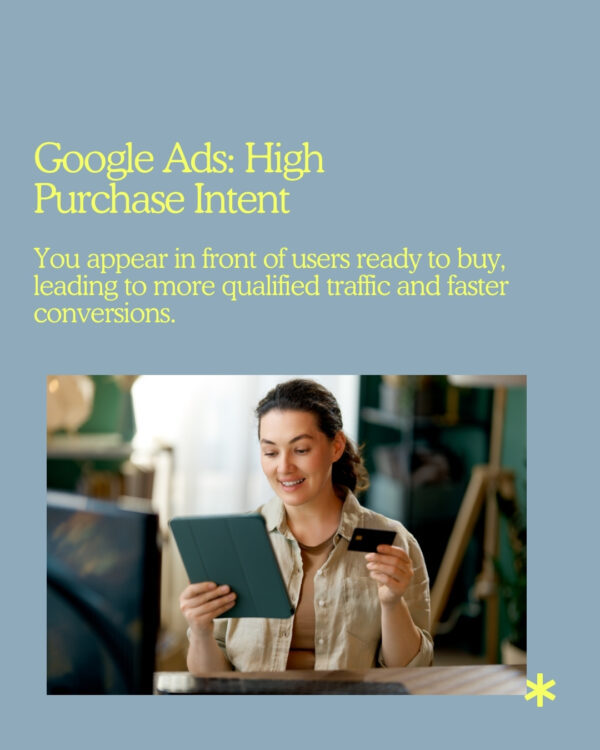
Google Ads vs Social media ads
Segmented Audience Campaigns
Beyond DPAs, create custom audiences for different behaviors and tailor messages accordingly:
- Cart abandoners: “Still want it? Here’s 15% off your cart.”
- High-value browsers: Target people who viewed expensive items with financing options or payment plan messaging
- Category browsers: Someone who viewed multiple dresses but didn’t buy. Show them your best dresses in a carousel a.d
- Repeat visitors: People who’ve visited multiple times show high intent—aggressive remarketing with strong offers makes sense.
Instagram Stories Ads
Stories placement for remarketing works exceptionally well for fashion because:
- Full-screen immersive format showcases products beautifully
- Swipe-up feature (for eligible accounts) creates frictionless shopping
- Less ad fatigue than feed placements
- Higher engagement rates, especially with video
Create Stories ads featuring:
- Models or customers wearing the items they browsed
- Behind-the-scenes of photoshoots or design process
- Quick styling tips: “3 ways to wear this jacket”
- Limited-time offers or flash sales

Google Remarketing: Capturing Active Shoppers
Google remarketing reaches customers across millions of websites, YouTube, and Google search—a massive reach for your remarketing strategies for fashion eCommerce stores.
Q. Google Display Remarketing
Display ads follow your visitors across the web, keeping your brand and products top-of-mind.
Best practices for fashion display ads:
- Use high-quality product images on clean backgrounds
- Include price prominently
- Add urgency: “Sale ends tonight” or “Only 3 left.”
- Test both single product and collection ads
- Refresh creative every 2-3 weeks to combat ad fatigue
Audience segmentation matters:
- Create separate campaigns for cart abandoners vs. browsers
- Exclude recent purchasers (no point remarketing to them)
- Cap frequency (3-5 impressions per user per day max)
Google Shopping Remarketing
People who visit your site see your products in Google Shopping results when searching for similar items—brilliant for capturing comparison shoppers.
This works particularly well for fashion because:
- Shows up when they’re actively shopping
- Displays your price next to competitors (highlight if you’re competitive)
- Highly qualified traffic—they’ve been to your site and are actively searching
YouTube Remarketing
Video ads on YouTube allow storytelling that static ads can’t match:
- 15-30 second ads showing products in motion
- Lifestyle content featuring your brand
- Customer testimonials and reviews
- Behind-the-scenes design or sourcing stories
YouTube remarketing typically costs less per impression than Facebook while reaching a massive engaged audience.
Building effective remarketing campaigns requires sophisticated technical implementation—pixel installation, catalog feeds, dynamic templates, and continuous optimization that goes far beyond basic advertising. Partnering with an experienced web design company in India provides the technical foundation your remarketing needs: properly implemented tracking pixels, optimized site speed that reduces abandonment, seamless checkout flows that minimize friction, and product catalog integrations that power dynamic ads. These specialized teams understand the technical architecture required for remarketing success while delivering solutions at competitive rates, ensuring your store isn’t leaving revenue on the table due to technical limitations.
SMS and Push Notification Remarketing
Don’t overlook these high-engagement channels for remarketing strategies for fashion eCommerce stores.
SMS Remarketing
Text messages have 98% open rates—almost everyone reads their texts immediately.
When to use SMS:
- Cart abandonment (30 minutes after abandonment)
- Flash sales to engaged subscribers
- Back-in-stock notifications for items they wanted
- VIP early access to new collections
Best practices:
- Keep messages under 160 characters
- Always include an easy opt-out
- Limit frequency (1-2 per week maximum)
- Use for high-urgency, high-value communications only
Example: “Hey [Name]! That jacket you loved is still waiting. Grab it now with code SAVE15: [link]”
Browser Push Notifications
Customers who’ve opted in can receive push notifications even when not on your site.
Effective push notification uses:
- Price drop alerts on viewed items
- Abandoned cart reminders
- Limited-time sale announcements
- Personalized recommendations
Critical rules:
- Never spam—you’ll lose subscribers fast
- Personalize based on browsing behavior
- Test timing (evenings and weekends often perform best)
- Make opting in valuable (exclusive deals, early access)
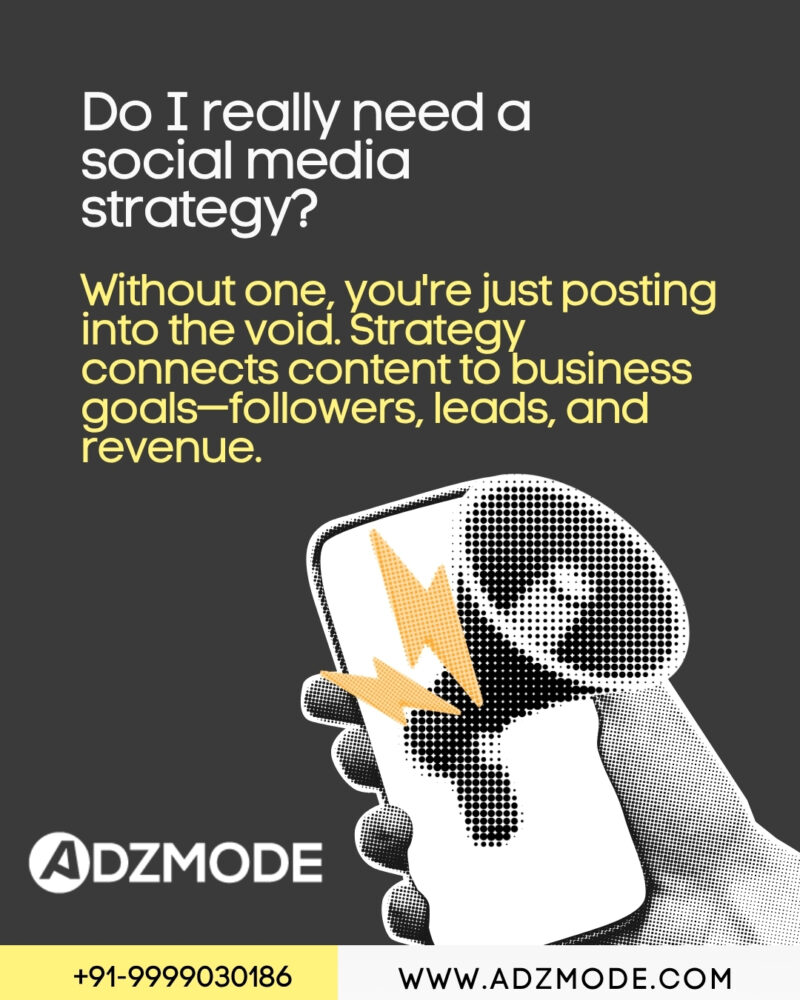
social media strategies for fashion brands
Advanced Segmentation: Beyond One-Size-Fits-All
The most effective remarketing strategies for fashion eCommerce stores use sophisticated segmentation rather than blasting everyone with the same message.
Behavior-Based Segments
- High-intent abandoners: Viewed product multiple times, added to cart, started checkout—high purchase intent deserves aggressive remarketing with good offers.
- Window shoppers: Browsed many items briefly without adding to cart—need inspirational content and styling ideas, not hard sells.
- Repeat visitors: Came back multiple times without buying—might need social proof, reviews, or financing options to overcome hesitation.
- High-value abandoners: Left expensive items in cart—may need payment plan messaging or stronger discounts.
Demographic Segments
- New vs. returning customers: New customers need trust-building and brand education. Returning customers respond to loyalty rewards.
- Geographic segments: Tailor offers based on local seasons, holidays, or cultural events.
- Device segments: Mobile abandoners may have experienced checkout friction—simplify mobile checkout and remarket accordingly.
Time-Based Segments
- Recent abandoners (0-24 hours): Gentle reminders without discounts
- Medium-term (1-7 days): Add value through reviews, styling tips, social proof
- Long-term (7-30 days): Stronger incentives needed—discounts, free shipping, urgency
- Beyond 30 days: Move to general brand awareness campaigns rather than specific product remarketing
https://youtube.com/shorts/_Eok10CP540?feature=share
Creative Strategies That Work for Fashion
Generic “You left something in your cart” messages are boring. Make your remarketing stand out.
1. User-Generated Content (UGC)
Show real customers wearing the items they abandoned. “See how @fashionlover styled this dress you loved!”
UGC builds trust better than any model photoshoot because it’s authentic and relatable.
2. Styling Suggestions
“Not sure how to wear it? Here are 3 ways to style that jacket you were eyeing.”
Fashion shoppers often abandon because they can’t visualize the item in their wardrobe. Help them see it.
3. Social Proof
“This dress sold out twice already—back in stock in your size!”
Scarcity and popularity signals overcome hesitation about whether an item is “worth it.”

4. Seasonal Relevance
“That sundress you loved? Perfect for summer weekend brunches.”
Context makes items feel more necessary and timely.
5. Problem-Solution Framing
“Stressed about what to wear to that wedding? This dress you saved is perfect.”
Address the underlying need driving their shopping.

CLICK FOR MORE
Technical Setup: Getting Your Remarketing Infrastructure Right
Effective remarketing strategies for fashion eCommerce stores require a proper technical foundation.
1. Essential Tracking Pixels
Install these tracking codes on your site:
- Facebook Pixel (for Facebook/Instagram remarketing)
- Google Ads tag (for Google remarketing)
- Google Analytics (for audience insights)
- TikTok Pixel (if using TikTok ads)
- Pinterest Tag (if remarketing on Pinterest)
2. Event Tracking
Beyond basic page views, track specific events:
- Product views (with product details)
- Add to cart events
- Checkout initiation
- Purchase completion
- Search queries
- Category browsing
Detailed event tracking enables sophisticated segmentation and personalization.
3. Product Catalog Feeds
For dynamic remarketing, maintain updated product feeds, including:
- Product IDs
- Names and descriptions
- Images (multiple sizes)
- Prices (current and sale prices)
- Availability/stock status
- Product categories
- Custom labels (season, collection, style)
Feeds must update automatically as inventory and prices change.
Managing the complexity of multi-channel remarketing campaigns—from technical setup and pixel implementation to creative development, audience segmentation, and performance optimization—requires expertise that most boutique owners don’t have time to develop. Collaborating with a specialized digital marketing company in India provides access to remarketing experts who stay current with platform changes, testing methodologies, and fashion eCommerce best practices. These agencies handle campaign creation, monitoring, and optimization while delivering transparent reporting that shows exactly how remarketing drives revenue recovery. With competitive pricing and round-the-clock service, professional partners transform remarketing from an overwhelming technical challenge into a reliable revenue stream.

Measuring Remarketing Success
You can’t improve what you don’t measure. Track these metrics for your remarketing strategies for fashion eCommerce stores:
1. Core Performance Metrics
- Return on Ad Spend (ROAS): Revenue generated divided by ad spend. Fashion remarketing should achieve 4-8x ROAS.
- Conversion rate: What percentage of remarketed visitors convert? Benchmark: 2-5% for remarketing vs. 1-2% for cold traffic.
- Cost per acquisition (CPA): How much you spend to convert one customer. It should be significantly lower for remarketing than acquisition campaigns.
- Cart recovery rate: What percentage of abandoned carts are recovered? Target: 10-15%.
2. Channel-Specific Metrics
- Email: Open rates, click rates, conversion rates, revenue per email
- Facebook/Instagram: CTR, CPC, CPM, ROAS by audience segment
- Google: Impression share, view-through conversions, assisted conversions
- SMS: Delivery rate, open rate, click rate, opt-out rate
3. Attribution Considerations
Remarketing often assists conversions that get attributed to other channels. Use multi-touch attribution models to understand remarketing’s true impact on your sales funnel.
Common Remarketing Mistakes to Avoid
Even with great remarketing strategies for fashion eCommerce stores, these mistakes sabotage results:
- Over-frequency: Showing the same ad 50 times daily annoys people. Cap frequency at 3-5 impressions per day.
- Poor exclusions: Remarketing to people who already bought is wasteful. Exclude recent purchasers.
- Generic messaging: Treat all abandoners the same. Segment and personalize instead.
- Weak creative: Low-quality images or boring copy waste your remarketing opportunity. Fashion is visual—make it stunning.
- No urgency: Without scarcity or time limits, there’s no reason to act now. Add urgency appropriately.
- Ignoring mobile: Most fashion shopping happens on mobile. Optimize everything for small screens.
- Set-and-forget approach: Remarketing requires continuous testing and optimization. Review performance weekly at a minimum.
Creating Your Remarketing Action Plan
Ready to implement? Here’s your roadmap:
Week 1-2: Foundation
- Install all tracking pixels correctly
- Set up product catalog feeds
- Implement email marketing platform
- Create audience segments
Week 3-4: Campaign Launch
- Launch abandoned cart email series
- Set up Facebook/Instagram dynamic product ads
- Create Google Display remarketing campaigns
- Begin SMS remarketing (if list exists)
Month 2: Expansion
- Add browse abandonment emails
- Launch YouTube remarketing
- Implement push notifications
- Create seasonal campaign variations
Month 3+: Optimization
- A/B test creative variations
- Refine audience segments based on performance
- Expand successful tactics, cut underperformers
- Scale budget to winning campaigns
why digital marketing for every boutique
The Bottom Line on Fashion Remarketing
Remarketing strategies for fashion eCommerce stores aren’t optional anymore—they’re essential infrastructure for profitable online fashion retail. With 70% of potential customers abandoning before purchase, you simply can’t afford to let them disappear without follow-up.
The good news? Remarketing typically delivers 3-5x higher conversion rates than cold traffic while costing less per acquisition. It’s literally low-hanging fruit—people who already know and like your products just need the right nudge at the right time to complete their purchase.
Start with the foundations—abandoned cart emails and Facebook dynamic ads—then expand into more sophisticated segmentation and multi-channel campaigns as you see results. Measure everything, test constantly, and remember that remarketing success comes from relevance and personalization, not just following up.
Your products are amazing. Your photography is on point. Your brand has style. Now make sure those customers who love what they see actually complete the purchase instead of just dreaming about it.
Remarketing turns window shoppers into paying customers. It’s time to recover those lost sales.
Frequently Asked Questions (FAQs)
Q. What is remarketing, and how does it work for fashion eCommerce?
Remarketing strategies for fashion eCommerce stores involve showing targeted ads or sending messages to people who previously visited your website or engaged with your products but didn’t purchase. It works by placing tracking pixels on your site that follow visitors across the web, social media, and email, allowing you to show them personalized ads featuring the exact products they viewed. Remarketing converts 2-5% of previous visitors compared to 1-2% conversion from cold traffic, making it one of the highest-ROI tactics for fashion brands.
Q. How much should I budget for remarketing campaigns?
Allocate 20-30% of your total marketing budget to remarketing strategies for fashion eCommerce stores—it typically delivers better ROI than acquisition campaigns. Starting budgets might be $500-1,000 monthly for small boutiques, $2,000-5,000 for growing brands, and $10,000+ for established stores. Start with abandoned cart emails (minimal cost) and Facebook/Instagram dynamic ads ($10-20 daily), then scale based on ROAS. Fashion remarketing should achieve 4-8x ROAS, meaning every dollar spent generates $4-8 in revenue.
Q. When should I send abandoned cart emails?
Send the first abandoned cart email 1-2 hours after abandonment (gentle reminder), second email 24 hours later (address concerns with reviews/social proof), and third email 48-72 hours later (add discount and urgency). This sequence is among the most effective remarketing strategies for fashion eCommerce stores, recovering 10-15% of abandoned carts. Timing matters—too soon feels pushy, too late, and they’ve forgotten or bought elsewhere. Test timing with your audience to find your sweet spot.
Q. What’s the difference between remarketing and retargeting?
The terms are often used interchangeably, but technically, remarketing typically refers to email campaigns to previous visitors or customers, while retargeting refers to display ads following users across the web and social media. In practice for remarketing strategies for fashion eCommerce stores, both techniques target the same audiences—people who’ve engaged with your brand—using different channels. The distinction isn’t important; what matters is implementing both email and ad-based approaches for maximum recovery of lost sales.
Q. How do I avoid annoying customers with too many remarketing ads?
Set frequency caps limiting how often people see your ads (3-5 impressions per day maximum), exclude recent purchasers from remarketing campaigns, vary your creative so people aren’t seeing identical ads repeatedly, segment audiences and tailor messaging appropriately, and respect email unsubscribes immediately. Effective remarketing strategies for fashion eCommerce stores balance persistence with respect—you want to remind, not harass. Monitor negative feedback and adjust frequency if you’re getting complaints about seeing too many ads.
Q. Can remarketing work for new fashion stores with little traffic?
Yes, but with realistic expectations. Remarketing strategies for fashion eCommerce stores require minimum traffic thresholds to be effective—Facebook needs 100+ monthly visitors to create custom audiences, and Google Display needs 100+ active users. New stores should focus on driving traffic first through content marketing, influencer partnerships, and initial paid acquisition. Once you’re getting 500-1,000 monthly visitors, remarketing becomes viable and should be implemented immediately to maximize value from that traffic by recovering abandonments.
Q. What conversion rate should I expect from remarketing?
Fashion remarketing typically converts at 2-5% compared to 1-2% for cold traffic—a 2-3x improvement. Abandoned cart emails specifically convert at 8-12%, while Facebook/Instagram dynamic product ads convert at 3-5%. These benchmarks for remarketing strategies for fashion eCommerce stores vary based on product pricing, brand recognition, and offer strength. High-end fashion may see lower rates but higher average order values. Track your specific metrics and optimize continuously—even small improvements in remarketing conversion drive significant revenue increases.
Q. Should I offer discounts in my remarketing campaigns?
Not immediately. Remarketing strategies for fashion eCommerce stores should start with reminders and value-building (reviews, styling tips, social proof) before introducing discounts. Many customers abandoned due to distraction, not price resistance. Offering discounts too quickly trains customers to abandon carts to get deals. Reserve discounts for the third email in your abandoned cart series (48-72 hours later) or for long-term abandoners (7+ days). Test discount thresholds—sometimes free shipping outperforms percentage discounts for fashion.
Q. How do I track if remarketing is actually working?
Install Google Analytics with proper eCommerce tracking, use UTM parameters on all remarketing links to identify traffic sources, set up conversion tracking pixels for all ad platforms, implement multi-touch attribution to see remarketing’s assisted conversions, and regularly review platform-specific analytics (Facebook Ads Manager, Google Ads, email marketing dashboards). Key metrics for remarketing strategies for fashion eCommerce stores include ROAS, cart recovery rate, conversion rate by segment, and cost per acquisition. Compare remarketing performance to acquisition campaigns—remarketing should show significantly better metrics.
Q. What’s the best remarketing channel for fashion eCommerce?
Email remarketing typically delivers the highest ROI for remarketing strategies for fashion eCommerce stores, with 40%+ open rates and 8-12% conversion rates for abandoned cart sequences. However, multi-channel approaches work best—email for abandoned carts, Facebook/Instagram dynamic ads for visual engagement, Google Display for broad reach, and SMS for urgent, high-value communications. Don’t rely on a single channel; integrate email, social media ads, and display advertising for maximum coverage and conversion. Test each channel’s performance with your specific audience and allocate budget accordingly.
About the Author: Harleen Kaur

Mrs. Harleen is a Digital Marketing professional and Gen AI SEO expert based in New Delhi. Academically backed by an IIT Digital Marketing Certification and two prestigious IBM credentials — Gen AI Certified for Digital Marketing and a Master's in Gen AI SEO — Harleen specialises in helping businesses grow their digital presence using the latest AI-driven strategies. Her insights are grounded in both technical expertise and real-world application. Prompting essentials from IBM.
Share Your Project Requirements With Us