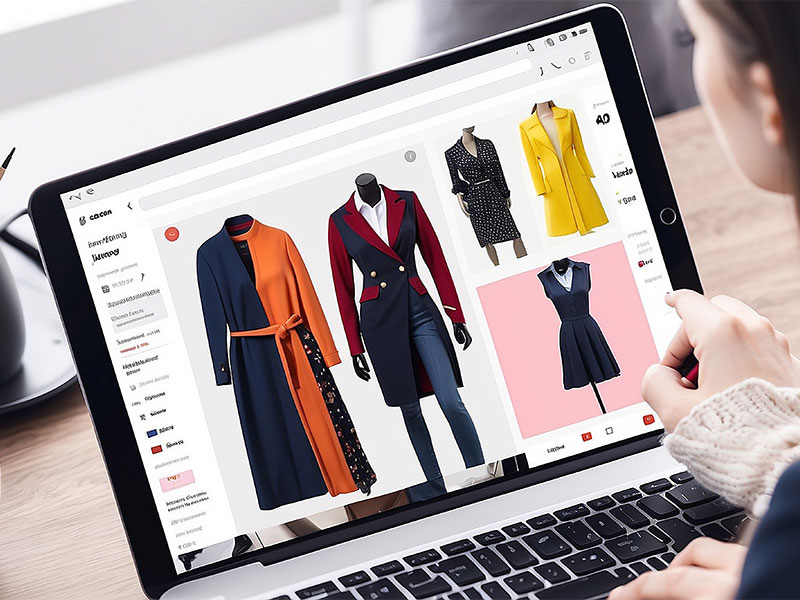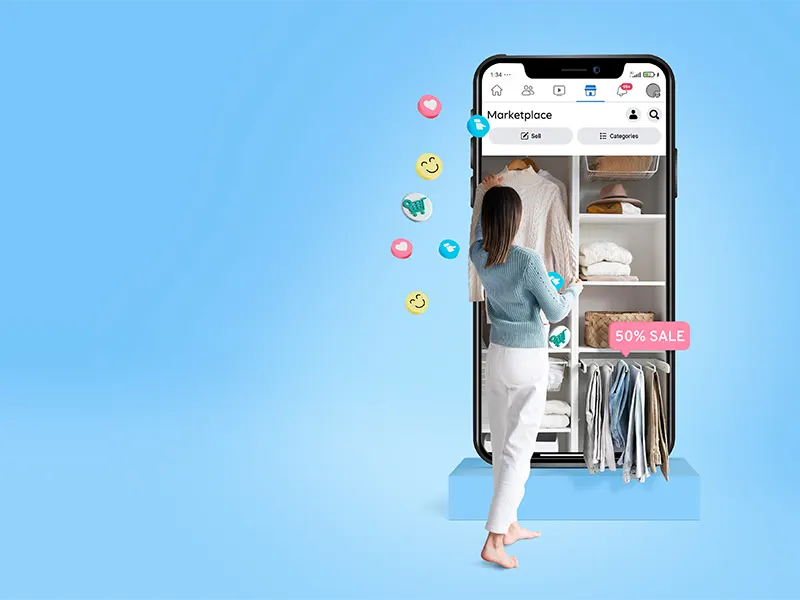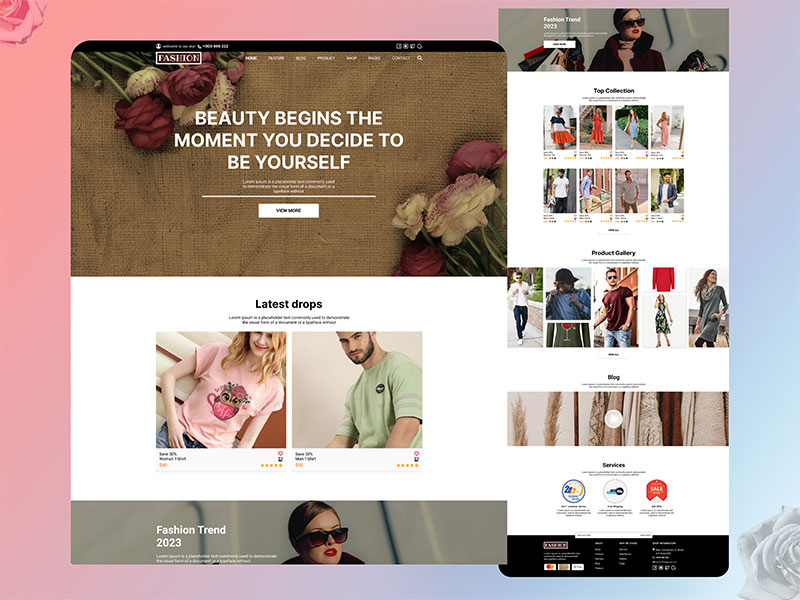
Let’s be real—your clothing brand’s landing page has about 3 seconds to grab attention before a potential customer bounces to your competitor. Harsh? Maybe. True? Absolutely. In the cutthroat world of online fashion retail, high-converting landing pages for clothing retail brands aren’t just nice to have; they’re the difference between thriving and barely surviving. Whether you’re selling streetwear, haute couture, or sustainable basics, your landing page is your digital storefront, salesperson, and brand ambassador all rolled into one. This guide breaks down exactly what makes visitors stick around, pull out their credit cards, and hit that “Buy Now” button. We’re talking real, data-backed elements that actually move the needle—not vague design theories that sound good but don’t convert.
Why Clothing Brands Need Landing Pages That Actually Convert?
Before we dive into the nitty-gritty of building high-converting landing pages for clothing retail brands, let’s talk about why this matters so much for fashion businesses specifically.
The clothing industry is ridiculously visual and emotionally driven. People don’t just buy clothes—they buy identity, confidence, and lifestyle. Your landing page needs to tap into these emotions within seconds while also providing the practical information shoppers need. That’s a tough balance, but it’s non-negotiable.
Here’s the thing: according to recent data, the average landing page conversion rate across industries hovers around 2.35%. But top-performing clothing brands? They’re hitting 5-10% or even higher. That difference isn’t luck—it’s strategic design and optimization. If you’re a clothing brand owner pulling in traffic but not seeing sales, your landing page is probably leaking money like a torn pocket.
The Hero Section: Making That First Impression Count
Your hero section is prime real estate—it’s what people see the instant they land on your page. Mess this up, and nothing else matters because they’re already gone.
1. Visual Impact That Stops the Scroll
For clothing brands, your hero image or video needs to be stunning. Not just “pretty good”—stunning. We’re talking high-resolution lifestyle shots that show your clothes in action, not boring product shots on white backgrounds (save those for your product pages).
Show your target customer wearing your clothes, living their best life. Selling yoga wear? Show someone crushing a difficult pose in your leggings, not standing stiffly against a wall. Streetwear brand? Capture the urban energy and attitude. The emotion you convey here sets the tone for everything that follows.
Video backgrounds can boost conversions by up to 80% for fashion brands because they show fabric movement, fit, and versatility in ways static images can’t. Just keep them under 20 seconds and make sure they’re optimized so they don’t slow down your page load time.
2. Headlines That Hook Immediately
Your headline needs to do two things simultaneously: communicate what you’re selling and why it matters. Generic headlines like “Premium Clothing for Everyone” are conversion killers. They’re forgettable and say nothing.
Try something that speaks to desire or solves a problem: “The Only Jeans You’ll Want to Wear Every Single Day” or “Sustainable Style That Doesn’t Compromise on Look.” Notice how these create curiosity while promising a benefit?
Keep your headline under 10 words if possible. Subheadlines can add more detail, but that main headline needs to hit fast and hard. Test different variations—small wording changes can dramatically impact conversion rates.
3. The Above-the-Fold CTA
Here’s where many clothing brands drop the ball. Your primary call-to-action button needs to be visible without scrolling. Not buried. Not camouflaged. Right there in the hero section.
But don’t just slap a “Shop Now” button and call it a day. Be specific: “Find Your Perfect Fit,” “Shop the Collection,” or “Get 20% Off First Order.” Action-oriented language that tells people exactly what happens when they click performs better than generic CTAs.
Button color matters too—it needs to contrast with your background while fitting your brand aesthetic. A/B testing shows that red, green, and orange buttons typically convert better than blue or black, but test what works for your specific audience.
https://youtube.com/shorts/_Eok10CP540?feature=share
Product Showcase: Showing Off Your Goods the Right Way
Once you’ve hooked visitors with your hero section, you need to showcase your clothing in a way that makes them *need* to have it.
1. Multiple Angles and Lifestyle Context
One product photo? That’s not going to cut it for high-converting landing pages for clothing retail brands. Fashion shoppers want to see front, back, close-ups of fabric, styling suggestions, and real people wearing the items.
Create a gallery that tells a story. Show your jacket paired with different outfits. Demonstrate how that dress fits on different body types. Include detail shots of stitching, buttons, or unique design elements. The more comprehensive your visual information, the fewer objections customers have about buying sight-unseen.
User-generated content is gold here. Real customers wearing your clothes in their everyday lives builds trust and shows authenticity. Create a branded hashtag and encourage customers to share photos—then feature the best ones on your landing pages.
2. Size and Fit Information That Actually Helps
Here’s a brutal truth: return rates in online fashion retail can hit 30-40%, and sizing issues are the number one reason. Your landing page needs to attack this problem head-on.
Include detailed size charts that go beyond basic S/M/L. Provide measurements in both inches and centimeters. Show model heights and what sizes they’re wearing. Better yet, implement a size recommendation tool that asks a few questions and suggests the best fit.
Consider adding fit descriptors: “Runs small, order one size up” or “Relaxed fit with extra room in the hips.” This transparency reduces returns and increases customer satisfaction.
If building these sophisticated features feels overwhelming, partnering with an experienced web design company in India can transform your vision into reality. Professional developers understand the technical requirements for size tools, product galleries, and fast-loading image optimization that clothing brands specifically need, delivering landing pages that look stunning while performing flawlessly across all devices and driving measurable conversion improvements.
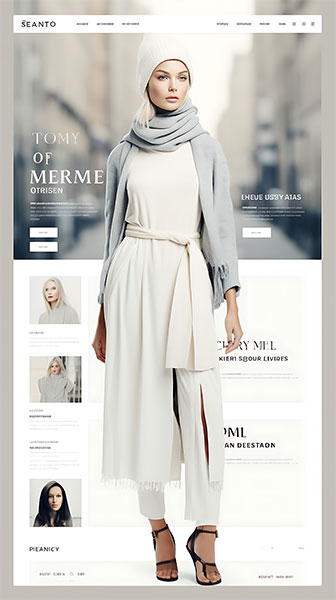
Trust Signals: Convincing Skeptical Shoppers to Buy
People are naturally skeptical about buying clothes online, especially from brands they’re discovering for the first time. Your landing page needs to systematically dismantle these doubts.
1. Social Proof That Moves the Needle
Reviews and testimonials aren’t optional for fashion landing pages—they’re essential. But not all social proof is created equal. Generic “great product” reviews don’t build confidence. You need specific, detailed feedback that addresses common concerns.
Feature reviews that mention fit, quality, shipping speed, and how the item looks in person. Video testimonials are even more powerful because they show the product on real people. Display your overall rating prominently, and if you’ve got hundreds or thousands of reviews, flaunt that number.
Don’t forget about press mentions and influencer endorsements. If you’ve been featured in fashion publications or worn by notable people, showcase that with logos and quotes. These external validations build instant credibility.
2. Return and Shipping Policies That Remove Risk
Free returns are practically expected in clothing retail now. If you offer them, make that crystal clear on your landing page. If you don’t, you better have a compelling reason and bulletproof product descriptions to compensate.
Same goes for shipping. State costs upfront (or better yet, offer free shipping above a certain amount). Give clear timeframes. Nothing kills a purchase faster than uncertainty about when items will arrive or how much shipping actually costs.
Create a dedicated section or prominent badge highlighting your customer-friendly policies. “Free shipping over $75,” “30-day returns,” “Exchange for any reason”—these reassurances directly combat purchase hesitation.
3. Security Badges and Payment Options
Show those trust badges from recognized security providers. Display accepted payment methods clearly. If you offer payment plans or buy-now-pay-later options, feature that prominently—it can increase average order values by 30-50% for fashion brands.
Nobody wants their credit card info stolen. Make it obvious that your site is secure and that you work with trusted payment processors.
remarketing strategies for fashion ecommerce stores
Mobile Optimization: Where Most Fashion Shopping Actually Happens
Here’s something that’ll blow your mind if you haven’t checked your analytics lately: 60-70% of fashion e-commerce traffic comes from mobile devices. If your landing page isn’t optimized for phones, you’re literally throwing away the majority of your potential customers.
1. Speed Is Non-Negotiable
Mobile users are even more impatient than desktop users. If your page takes more than 3 seconds to load, you’ve lost nearly half your visitors. That’s not an exaggeration—it’s documented data from Google.
Compress those gorgeous high-res images without sacrificing quality. Implement lazy loading so images only load as users scroll to them. Minimize code bloat. Use a content delivery network (CDN) to serve files faster. Every fraction of a second matters.
Run your landing page through Google PageSpeed Insights and actually fix what it tells you to fix. A slow, beautiful landing page converts worse than a fast, decent one. Every single time.
2. Touch-Friendly Design Elements
Buttons and clickable elements need to be big enough for thumbs. That means minimum 44×44 pixels for tap targets. Navigation should be simple and thumb-accessible. Forms (like email signup or size selection) need large input fields that don’t require zooming.
Test your high-converting landing pages for clothing retail brands on actual phones—multiple models with different screen sizes. What looks perfect on your laptop might be a frustrating mess on an iPhone SE or Android phone.
3. Mobile-Specific Features
Take advantage of mobile capabilities. Click-to-call buttons for customer service. GPS location for finding nearby stores. Easy thumb-scrolling through product galleries. These small touches improve the mobile experience significantly.
Consider implementing mobile payment options like UPI. The fewer steps between “I want this” and purchase completion, the higher your conversion rate.
Compelling Copy: Words That Sell Fashion
Great visuals get attention, but persuasive copy closes the sale. Your landing page copy needs to work as hard as your design.
- Benefits Over Features
Don’t just list what your clothes are made of—tell customers why that matters to their lives. “100% organic cotton” is a feature. “Breathable fabric that keeps you cool during summer and doesn’t irritate sensitive skin” is a benefit.
Connect your product features to emotional outcomes and practical solutions. “Wrinkle-resistant fabric” means “looks polished straight from your suitcase” for travelers. “Stretchy waistband” translates to “comfortable through your entire workday.”
Fashion is aspirational. Your copy should paint a picture of the life your clothes enable. Where will they wear this outfit? How will it make them feel? What compliments will they get?
2. Scarcity and Urgency (When It’s Genuine)
Limited stock notifications, countdown timers for sales, and “only 3 left in your size” messages create urgency that drives action. But—and this is crucial—only use these tactics when they’re real. Fake scarcity destroys trust permanently.
If you have a flash sale ending at midnight, say so. If a popular item is genuinely running low, let people know. But don’t cry wolf with perpetual “limited time offers” that never actually end.
Seasonal urgency works well for clothing: “Get summer-ready styles before they’re gone” or “Limited winter collection—once they’re sold out, they’re gone until next year.” This aligns with natural shopping patterns and feels authentic.
3. Addressing Objections Directly
Think about every reason someone might hesitate to buy from you, then address it on your landing page. Worried about sizing? You’ve got detailed charts and fit guidance. Concerned about quality? You’re showing close-ups and highlighting your construction methods. Unsure about styling? You’re providing outfit inspiration.
Create an FAQ section that answers real questions. Look at your customer service emails and reviews to see what people actually ask about, then proactively answer those questions on the landing page.
Strategic CTAs Throughout the Journey
Your landing page needs multiple calls-to-action strategically placed throughout the experience, not just one button at the top.
- Primary vs. Secondary CTAs
Your primary CTA is obviously “Buy Now” or “Add to Cart”—the main conversion action. But smart clothing brands include secondary CTAs too: “View Size Guide,” “See Styling Tips,” “Read Reviews,” or “Join Waitlist” if items are sold out.
These secondary actions keep people engaged even if they’re not ready to purchase immediately. Someone who signs up for your email list today might buy next week.
2. Exit-Intent Popups That Actually Work
Exit-intent technology detects when someone’s about to leave your page and triggers a popup. For clothing brands, these work brilliantly when offering first-purchase discounts: “Wait! Get 15% off your first order.”
Make the offer compelling enough to reconsider but not so generous that you’re training customers to always abandon cart for discounts. A 10-15% discount with free shipping tends to hit the sweet spot.
Include an email signup so you can continue marketing to them even if they don’t buy right then. That visitor might not convert today, but you’ve captured their contact information for future campaigns.
Optimizing all these conversion elements requires sophisticated tracking, testing, and continuous refinement based on real data. An experienced digital marketing company in India can implement advanced analytics, conduct A/B tests on your CTAs and layouts, manage your retargeting campaigns, and provide the strategic expertise that turns decent conversion rates into exceptional ones—maximizing your ROI while you focus on designing great clothing and running your brand.
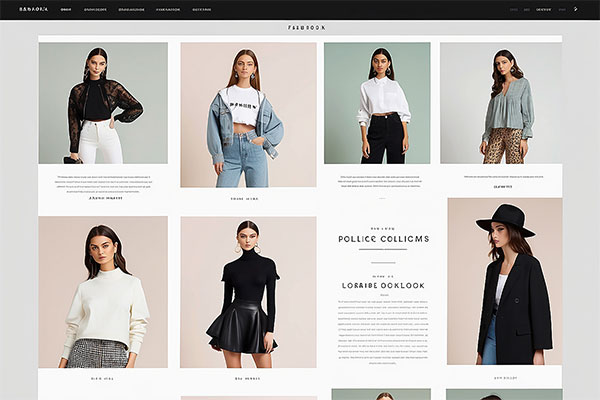
The Power of Personalization
Generic, one-size-fits-all landing pages convert okay. Personalized experiences convert amazingly. Modern high-converting landing pages for clothing retail brands adapt to individual visitors.
1. Dynamic Content Based on Traffic Source
Someone clicking from an Instagram ad about summer dresses should land on a page featuring summer dresses, not your entire catalog. Someone searching for “sustainable men’s workwear” should see exactly that when they arrive.
Create multiple landing page variations tailored to different traffic sources, demographics, and customer intents. The technical term is “traffic segmentation,” but the concept is simple: show people what they’re looking for.
Use URL parameters to track where visitors come from, then serve them the most relevant version of your landing page. This alone can boost conversions by 20-30%.
2. Geolocation and Localization
If you ship internationally, consider showing prices in local currencies and mentioning shipping times to specific regions. Someone in Australia doesn’t want to do mental math converting USD, and they definitely want to know how long shipping takes to Sydney.
Seasonal relevance matters too. When it’s winter in New York, it’s summer in Melbourne. Make sure your “seasonal collection” landing pages adapt based on geography.
3. Behavioral Triggers and Retargeting
Track what visitors view on your landing page, then retarget them with ads featuring those specific items. Someone who spent 2 minutes looking at your leather jackets is expressing clear intent—follow up with targeted ads.
Use browsing behavior to personalize email campaigns. If someone visits your landing page but doesn’t convert, send them a follow-up email showcasing those products with a small incentive to complete the purchase.
Testing and Optimization: The Never-Ending Process
Building a high-converting landing page isn’t a one-and-done project. The best-performing clothing brands treat optimization as an ongoing process.
1. What to Test First
Start with high-impact elements: your headline, primary CTA button, hero image, and first product shown. These elements get the most attention, so improvements here yield the biggest results.
Test one variable at a time. If you change your headline AND your button color AND your images simultaneously, you won’t know which change impacted conversions. Proper A/B testing isolates variables.
Give tests enough time to reach statistical significance. Don’t make decisions based on 50 visitors—you need hundreds or thousands of data points depending on your traffic volume.
2. Metrics That Actually Matter
Conversion rate is the big one, obviously. But also track:
- Time on page (are people engaging or bouncing immediately?)
- Scroll depth (are they seeing your full page or leaving after the hero section?)
- Click-through rate on CTAs (are buttons getting clicked but not converting? Maybe your checkout process needs work)
- Mobile vs. desktop performance (often dramatically different)
- Traffic source conversion rates (which channels bring your best customers?)
Use heat mapping tools to see where people actually click and how they navigate your page. You might discover that nobody’s seeing that beautiful product showcase you spent weeks perfecting because it’s too far down the page.
3. Learning from Your Data
Look for patterns in your analytics. Do certain products convert better on landing pages? Does traffic from Instagram convert differently than Google search traffic? What time of day sees the highest conversion rates?
Use this data to inform your strategy. Double down on what works. Fix or eliminate what doesn’t. Test bold hypotheses based on insights, not random guesses.
social media strategies for fashion brands
Common Mistakes Clothing Brands Make (And How to Avoid Them)
Let’s talk about what NOT to do when creating high-converting landing pages for clothing retail brands.
1. Information Overload
Yes, you need comprehensive product information. No, you shouldn’t dump everything at once. Too many options, too much text, too many CTAs—it all leads to decision paralysis.
Keep it focused. Each landing page should have one primary goal. If you’re promoting a specific collection, don’t also try to sell your entire catalog on that same page.
2. Ignoring the Fold
The “fold” is the bottom of the visible screen before scrolling. Critical information—your value proposition, primary CTA, and most compelling visual—needs to be above the fold. Yes, people scroll, but many don’t if you haven’t captured their interest immediately.
3. Poor Quality Imagery
This deserves repeating: your photos need to be professional quality. Blurry, poorly lit, or amateur-looking images destroy credibility instantly. Clothing is visual. Invest in great photography or hire professionals. It’s not optional.
4. Slow Load Times
We mentioned this earlier, but it bears repeating. Fast page speed isn’t a nice-to-have—it directly impacts your bottom line. Google reports that as page load time increases from 1 to 3 seconds, bounce probability increases 32%. From 1 to 5 seconds? 90% increase.
5. Not Testing on Real Devices
Your landing page might look perfect on your 27-inch monitor but be a disaster on an iPhone 12. Test on actual devices—multiple phones, tablets, and desktop browsers. What you see isn’t necessarily what your customers see.
Seasonal Strategies for Fashion Landing Pages
Clothing is inherently seasonal. Your landing pages should reflect that reality.
1. Timely Updates and Seasonal Collections
Don’t show winter coats in July (unless you’re targeting the southern hemisphere). Update your landing pages regularly to feature seasonally appropriate items. This seems obvious, but you’d be surprised how many brands let outdated seasonal content linger.
Create buzz around new season launches. Tease upcoming collections. Use countdown timers for collection drops. Fashion thrives on newness—your landing pages should reflect that energy.
2. Holiday-Specific Landing Pages
Major shopping periods like Diwali, Holi, Rakshabandhan, Black Friday, Christmas, Valentine’s Day, and back-to-school deserve dedicated landing pages with specific messaging and offers. Generic promotions don’t cut it during these high-intent shopping windows.
Tailor your copy and creative to the occasion. Holiday gift guides work brilliantly for fashion brands. “Gifts for Her Under $50” or “The Perfect Outfit for New Year’s Eve” gives clear direction to shoppers looking for specific solutions.
3. Post-Season Sales
End-of-season clearance landing pages serve a dual purpose: moving inventory and attracting deal-seekers who might become regular customers. Be upfront about discounts but maintain your brand positioning—clearance doesn’t mean cheap quality.
The Technical Foundation: What Runs Under the Hood
Let’s get slightly technical for a moment, because the backend stuff matters just as much as pretty designs for high-converting landing pages for clothing retail brands.
1. Clean Code and SEO Basics
Your landing page needs proper HTML structure with semantic markup. Use H1 tags for your main headline, H2s for section headers, and alt text for all images (which helps both SEO and accessibility).
Meta descriptions, title tags, and URL structure matter. A landing page targeting “sustainable women’s dresses” should have that phrase in the URL, title, and meta description. Not stuffed unnaturally—integrated smartly.
2. Fast Hosting and CDN
Cheap hosting kills conversions. Seriously. If your hosting provider can’t deliver fast load times consistently, you’re bleeding money. Invest in quality hosting or a platform specifically designed for e-commerce.
Content Delivery Networks (CDNs) serve your images and files from servers geographically close to your visitors, dramatically reducing load times. Most major e-commerce platforms include CDN capabilities—use them.
3. Analytics and Tracking Setup
You can’t optimize what you don’t measure. Install Google Analytics (or your preferred analytics platform) properly. Set up goal tracking for conversions, add to carts, email signups, and other meaningful actions.
Facebook Pixel, Google Ads conversion tracking, and any other relevant tracking pixels should be implemented correctly. These tools power your retargeting campaigns and help you understand which traffic sources actually convert.
Building Your Brand Story Into the Landing Page
Fashion isn’t just functional—it’s emotional and identity-driven. Your landing page should communicate your brand story in compelling ways.
1. About Your Brand Section
Include a concise section explaining who you are, what you stand for, and why you exist. Are you sustainable? Made in USA? Founded by designers frustrated with fast fashion? Women-owned? Your story differentiates you from countless other clothing brands.
Keep it authentic. Customers can smell BS a mile away. If sustainability is your angle, show real evidence—materials, production methods, certifications. Don’t just slap “eco-friendly” on your page and hope people believe it.
2. Visual Brand Consistency
Your landing page should feel unmistakably like YOUR brand. Consistent fonts, colors, tone of voice, and visual style create cohesion. Someone who sees your Instagram ad and lands on your page should immediately recognize they’re in the right place.
Create a brand style guide and stick to it. Consistency builds recognition and trust over time.
Wrapping It Up: Your Action Plan
Creating high-converting landing pages for clothing retail brands isn’t rocket science, but it does require strategic thinking, attention to detail, and continuous optimization.
Start with the fundamentals: stunning visuals, clear value proposition, strategic CTAs, mobile optimization, and fast load times. Get those right before worrying about advanced personalization or complex testing strategies.
Build in trust signals from day one—reviews, clear policies, security badges. Fashion shoppers are cautious about buying without touching products first, so you need to over-communicate quality and eliminate risk.
Test relentlessly. What works for other brands might not work for yours. Your audience, products, and positioning are unique. Let data guide your decisions, not assumptions or what’s trendy in design circles.
Remember that your landing page isn’t static—it’s a living, breathing part of your marketing ecosystem that should evolve with your brand, seasons, and customer feedback. The clothing brands crushing it online aren’t necessarily doing one thing brilliantly; they’re executing dozens of elements competently and continuously improving.
Your landing page is your hardest-working salesperson. It never sleeps, never takes a day off, and can talk to thousands of customers simultaneously. Invest the time, resources, and attention it deserves, and it’ll reward you with consistent, scalable growth.
Now stop reading and start building (or improving) your landing page. Your future customers are out there right now, searching for exactly what you sell. Make sure that when they land on your page, they can’t resist buying.
Frequently Asked Questions
Q. What’s a good conversion rate for a clothing brand landing page?
The average conversion rate for fashion e-commerce landing pages ranges between 2-3%, but top-performing clothing brands regularly hit 5-10% or higher. Your specific rate depends on traffic quality, price point, brand recognition, and how well your landing page is optimized. If you’re below 2%, there’s definitely room for improvement. Focus on the fundamentals first—mobile optimization, page speed, clear CTAs, and trust signals—before obsessing over minor design tweaks.
Q. How many products should I feature on a single landing page?
Less is more when it comes to high-converting landing pages for clothing retail brands. Feature 3-8 hero products maximum on a dedicated landing page. Too many options create decision paralysis and tank conversion rates. If you’re promoting a specific collection, show your bestsellers or most representative pieces. You can always link to your full catalog, but the landing page itself should have a focused message and limited selection to drive action.
Q. Do I really need professional product photography for my landing page?
Yes, absolutely. This isn’t an area to cut corners. Poor quality images are the fastest way to kill credibility for a clothing brand. Customers can’t touch or try on your products, so visuals carry the entire burden of demonstrating quality, fit, and style. Professional photography doesn’t necessarily mean hiring a $10,000/day studio—many successful brands shoot high-quality content with good lighting, decent cameras, and attention to styling. But grainy phone photos or inconsistent imagery will destroy conversions no matter how good your products actually are.
Q. How often should I update my landing page?
At minimum, update seasonally (4 times per year) to keep products and messaging relevant. Beyond that, implement continuous optimization based on performance data. Test new headlines, images, or CTAs monthly. Update social proof and reviews regularly as you collect new testimonials. If you’re running specific promotions or launching new collections, create dedicated landing pages rather than constantly changing your main one. The key is balancing consistency (so regular visitors recognize your brand) with freshness (so returning visitors see something new).
Q. What’s more important: design or copy on a clothing landing page?
Both matter tremendously, but if forced to choose, prioritize visuals for fashion. Clothing is an inherently visual product—people buy based on how things look. That said, compelling copy is what turns interest into action. The ideal landing page combines stunning imagery with persuasive, benefit-focused copy. Your images stop the scroll and create desire; your copy provides the justification and urgency needed to actually click “buy now.” They work together, not in competition.
Q. Should my landing page be one long scroll or multiple sections with navigation?
For most clothing brands, a single-scroll landing page with clearly defined sections performs better than pages with complex navigation. Guide visitors through a logical journey: hero section → products → benefits/features → social proof → final CTA. However, include a sticky header with your logo and cart icon so people can navigate to checkout anytime. The goal is controlled storytelling that leads to conversion, not giving visitors dozens of places to click away before they’ve engaged with your value proposition.
Q. How do I reduce shopping cart abandonment from my landing page?
Cart abandonment for fashion sites averages 70-85%, but you can lower it significantly. First, ensure your landing page sets clear expectations about pricing, shipping costs, and delivery times—surprises at checkout kill conversions. Implement exit-intent popups offering small incentives (10-15% off) when people try to leave. Send abandoned cart emails within 1-2 hours with images of the specific products they viewed. Offer guest checkout (forced account creation is a major abandonment trigger). Finally, display trust badges and multiple payment options prominently to reduce security concerns.
Q. What loading speed should I aim for on mobile?
Your landing page should load in under 3 seconds on mobile, ideally under 2 seconds. Every additional second of load time can decrease conversions by up to 20%. Use Google PageSpeed Insights to test your actual load times and get specific recommendations. Compress images aggressively, implement lazy loading, minimize JavaScript, and use a CDN. For clothing brands with lots of high-res images, speed optimization is non-negotiable—beautiful photos don’t matter if people bounce before they load.
Share Your Project Requirements With Us