India’s Best
Digital Marketing Agency
Digital Marketing Agency
Digitally promoting businesses since 2010
Globally Trusted and Best Digital Marketing Agency in India
Globally Trusted and Best Digital Marketing Agency in India
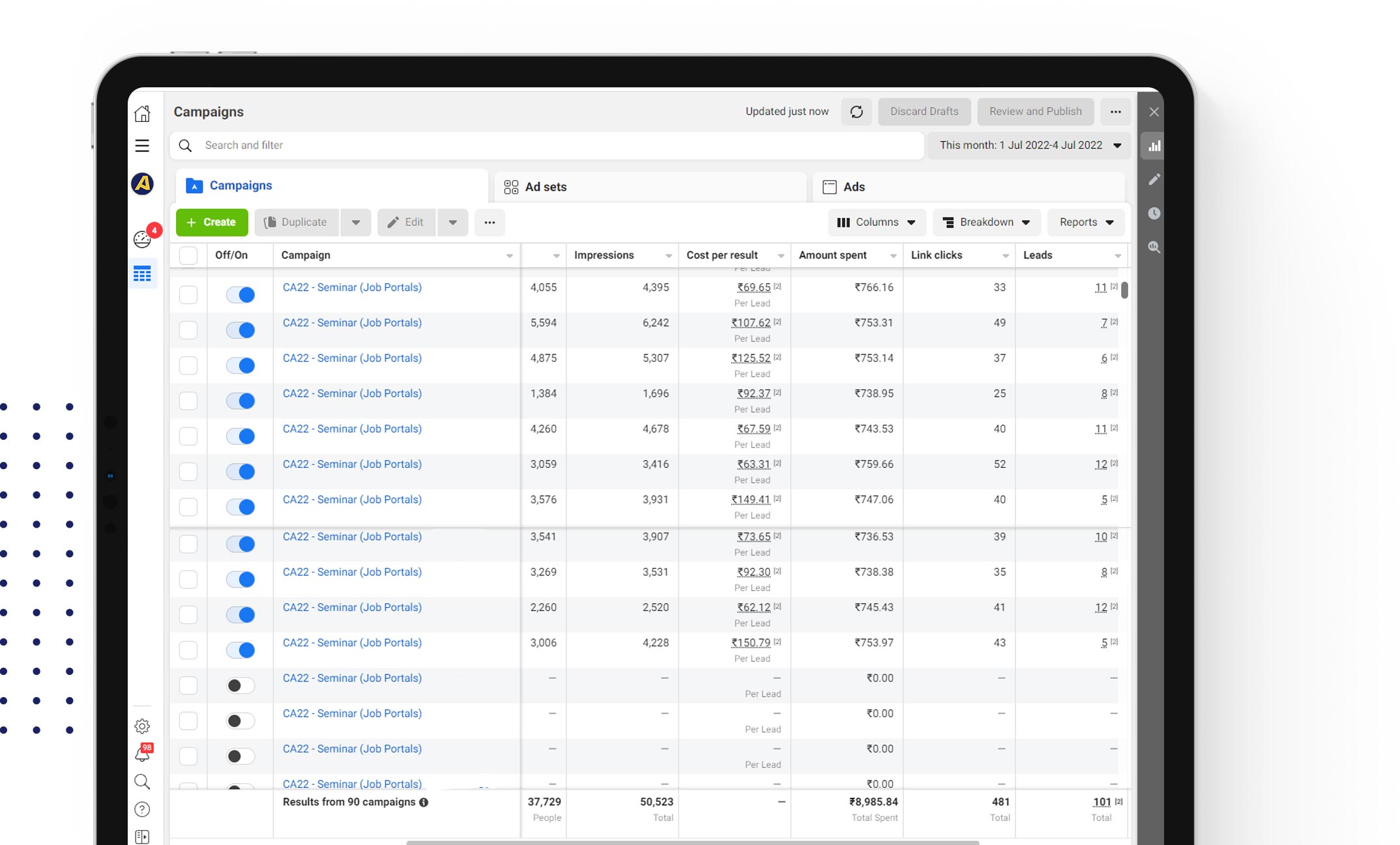
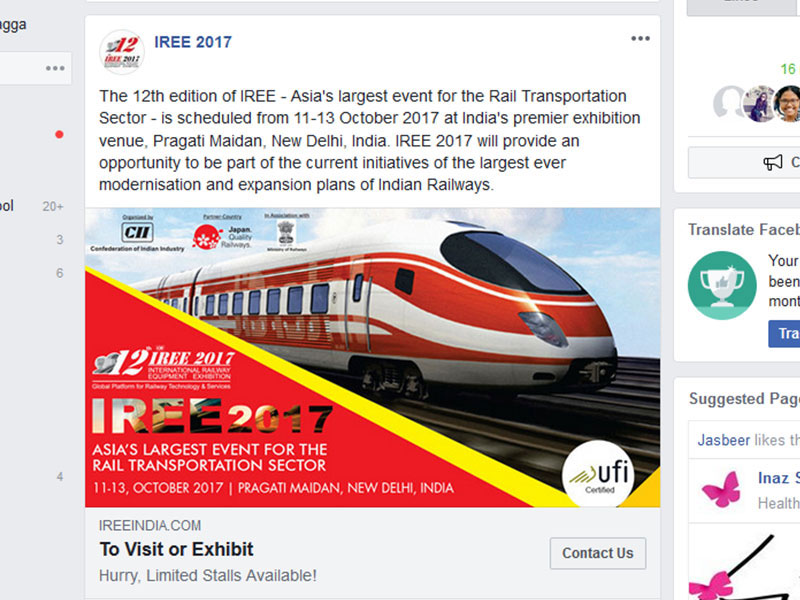
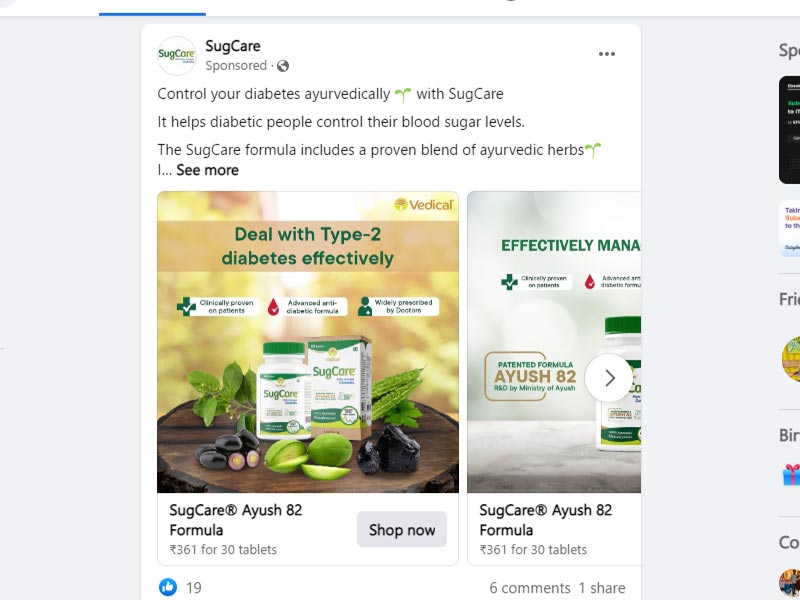
1000+ Digital Marketing Projects Successfully Delivered. For every Digital Marketing project, we take care of the brand analysis, marketing strategy, digital ad design, social media marketing, ad management, performance marketing, AI systems, tracking & monitoring, influencer strategy and much more.
Our Digital Marketing Services Include


Digital marketing projects
Digital marketing projects
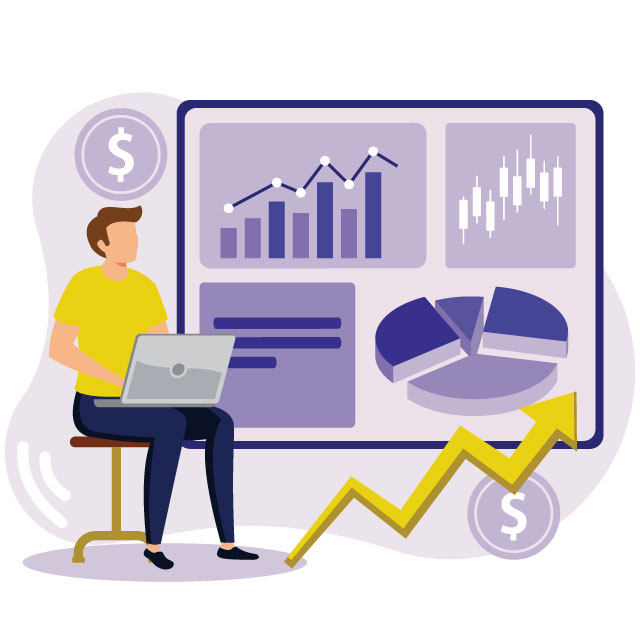
As an aspiring top digital marketing agency in India, we have been working on Digital Marketing projects since 2010. It was in 2006, we started with google search AdSense and google ads in 2009, then expanded ourselves as a social media marketing agency with Facebook ads in 2011. Started creating AI systems with marketing automation from 2021. Thereafter, meeting and satisfying client requirements, we not only delivered what was needed but also innovated ourselves with the latest digital marketing trends and technologies. Updating ourselves helped in delivering the best to our clients across the globe. Currently, we also cover crypto ads on various platforms.








Digital Marketing Packages
Starter
- Static Design: 2
- Social Posting (w/o Dsn): 10
- Budget Management: INR 50k
- Digital Strategy
- Tracked & Monitored
- Influencer Strategy: NA
- Influencer Management: NA
- Platforms Included: 3
- Search Engine Marketing
- Social Media Marketing
- Affiliate Display
- Persona Creation
- Merchant Ads
- Conversion Marketing
- Conversion Optimization
- PPC Ads
- E-Commerce Ads
- Display & Video Ads
- Crypto Ads: NA
- Marketing Automation
- Mobile Marketing
- Leads Generation
- Re-Marketing
Basic
- Static Design: 3
- Social Posting: 2
- Budget Management: INR 150k
- Digital Strategy
- Tracked & Monitored
- Influencer Strategy: NA
- Influencer Management: NA
- Platforms Included: 4
- Search Engine Marketing
- Social Media Marketing
- Affiliate Display
- Persona Creation
- Merchant Ads
- Conversion Marketing
- Conversion Optimization
- PPC Ads
- E-Commerce Ads
- Display & Video Ads
- Crypto Ads: NA
- Marketing Automation
- Mobile Marketing
- Leads Generation
- Re-Marketing
Standard
- Static Design: 6
- Social Posting: 4
- Budget Management: INR 300k
- Digital Strategy
- Tracked & Monitored
- Influencer Strategy: YES
- Influencer Management: NA
- Platforms Included: 5
- Search Engine Marketing
- Social Media Marketing
- Affiliate Display
- Persona Creation
- Merchant Ads
- Conversion Marketing
- Conversion Optimization
- PPC Ads
- E-Commerce Ads
- Display & Video Ads
- Crypto Ads: YES
- Marketing Automation
- Mobile Marketing
- Leads Generation
- Re-Marketing
Premium
- Static Design: 15
- Social Posting: 10
- Budget Management: INR 800k
- Digital Strategy
- Tracked & Monitored
- Influencer Strategy: YES
- Influencer Management: YES
- Platforms Included: All
- Search Engine Marketing
- Social Media Marketing
- Affiliate Display
- Persona Creation
- Merchant Ads
- Conversion Marketing
- Conversion Optimization
- PPC Ads
- E-Commerce Ads
- Display & Video Ads
- Crypto Ads: YES
- Marketing Automation
- Mobile Marketing
- Leads Generation
- Re-Marketing
Our Amazing Partners

FAQs
Have you ever wished you could only pay for advertising when it actually works? Well, that is exactly what performance marketing allows you to do. In today’s hyper-competitive digital landscape, throwing money at ads and hoping for the best simply does not cut it anymore. Instead, savvy businesses are shifting their focus to measurable, data-backed strategies that guarantee a return on their investment.
Decoding the Basics
So, what is performance marketing at its core? Think of it like hiring a freelance salesperson where you only pay them a commission when they actually close a deal. In the digital marketing world, it is a comprehensive strategy where brands only pay platforms or agencies when a specific action is completed.
Whether that action is a generated lead, a clicked link, or a finalized sale, the power is entirely in your hands. You are no longer paying for vague concepts like general brand awareness or potential reach. Instead, you are putting your hard-earned budget directly toward concrete, trackable results.
Performance Marketing vs. Traditional Advertising
Imagine you decide to rent a massive billboard on a busy highway. Thousands of people will drive past it every single day. But how many of them actually looked at it? More importantly, how many people bought your product because they saw that exact billboard?
With traditional marketing, answering those questions is nearly impossible. You pay a flat fee upfront, cross your fingers, and hope for a boost in sales. Performance marketing completely flips this script by offering real-time analytics, granular tracking, and pinpoint audience targeting.
If a campaign is not working, you can pause it instantly. If an ad is converting like crazy, you can pour more budget into it on the fly. It is flexible, agile, and ultimately, much safer for your wallet.
Real-Life Examples to Bring It Home
Let’s make this relatable. Imagine you own an online shoe store and you want to increase your winter boot sales. Instead of buying a pricey magazine spread, you launch a Pay-Per-Click (PPC) campaign on search engines.
When someone types “buy waterproof winter boots” into Google, your ad pops up. You only pay a few cents or dollars when that highly interested shopper actually clicks your link. This ensures your budget is spent on people actively looking to buy rather than casual window shoppers.
Alternatively, you might partner with a popular fashion influencer. Instead of paying them a massive flat fee for a single post, you give them a unique promo code. Every time one of their followers buys a pair of boots using that code, the influencer gets a small cut. You only pay for the actual sales they bring in, which perfectly illustrates the pay-for-results model.
The Most Popular Channels
This strategy isn’t limited to just one platform. Marketers use a variety of digital channels to drive these measurable results. Here are a few of the heavy hitters:
- Search Engine Marketing (SEM): Bidding on high-intent keywords so your website appears exactly when customers are looking to buy.
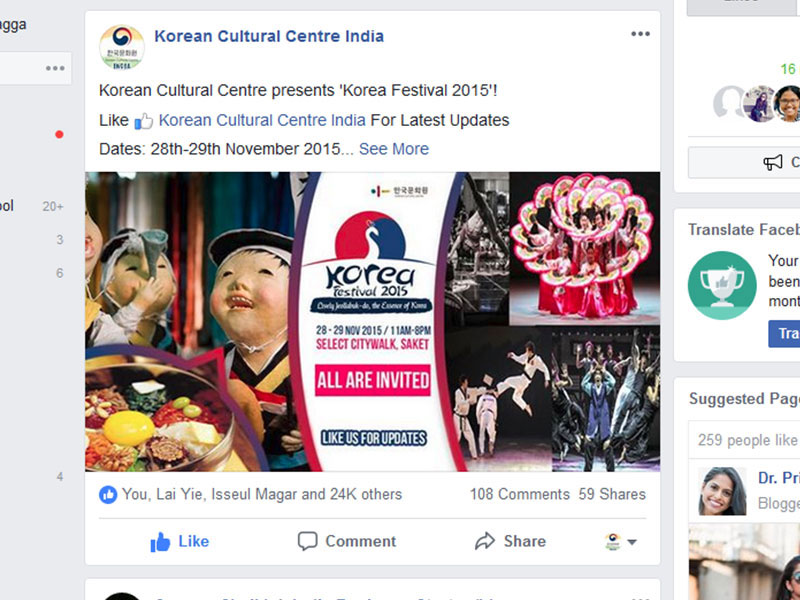
- Social Media Advertising: Running highly targeted ads on platforms like Facebook, Instagram, or LinkedIn, optimizing for specific goals like form submissions or purchases.
- Affiliate Marketing: Partnering with third-party publishers or creators who promote your products in exchange for a commission on successful sales.
- Programmatic Display Ads: Using AI and real-time bidding to place your ads on websites your target audience frequently visits.
Why Businesses Are Making the Switch?
Why is this approach dominating the digital landscape today? The benefits are simply too good for growing brands to ignore. Here is why businesses love this strategy:
- Incredible ROI Tracking: You know exactly where every single dollar is going and how much revenue it is bringing back.
- Low Financial Risk: Because you only pay for completed actions, you are protected against wasting your budget on ineffective campaigns.
- Laser-Focused Targeting: You can zero in on the exact demographics, interests, and behaviors of your ideal customers.
- Real-Time Optimization: You do not have to wait until a campaign ends to see if it worked, allowing you to tweak and adjust your strategies daily to maximize performance.
Ready to Pay for Results?
At the end of the day, marketing should never feel like gambling. Performance marketing takes the guesswork out of growing your business by tying your ad spend directly to tangible outcomes. By focusing on data, targeting, and measurable actions, you can build a scalable growth engine that actually impacts your bottom line.
Clear Takeaways:
- Performance marketing is a strategy where you only pay when a specific action (like a click, lead, or sale) occurs.
- It is highly trackable, removing the financial risk associated with traditional, exposure-based advertising.
- Popular channels include PPC search ads, affiliate programs, and targeted social media campaigns.
- Success relies on real-time data, allowing you to optimize and scale winning ads instantly.
Digital marketing is the practice of promoting and selling products or services using digital channels and technologies, primarily on the internet but also including mobile phones, display advertising, and other digital mediums. It encompasses a diverse array of techniques and approaches aimed at connecting with potential customers, fostering engagement, and ultimately achieving conversions and sales.
Key components of digital marketing include:
- Search Engine Optimization (SEO): Optimizing websites to rank higher in search engine results pages (SERPs) to increase organic (non-paid) traffic.
- Search Engine Marketing (SEM): Using paid advertising on search engines like Google to drive traffic to websites through paid search listings.
- Content Marketing: It involves the creation and dissemination of valuable, pertinent, and regular content to captivate and retain a specific audience, leading to profitable customer interactions.
- Social Media Marketing (SMM): Promoting brands and products through social media platforms like Facebook, Instagram, Twitter, LinkedIn, and others to engage with audiences and build brand awareness.
- Email Marketing: Sending targeted messages and promotional content to a subscriber list to nurture leads, retain customers, and drive sales.
- Influencer Marketing: Collaborating with influencers, individuals with a significant following and influence on social media, to promote products or services to their audience.
- Affiliate Marketing: Partnering with individuals or other businesses to promote products or services and earning a commission for each sale or lead generated through their referrals.
- Pay-Per-Click Advertising (PPC): Placing ads on search engines, social media platforms, and other websites, and paying a fee each time the ad is clicked.
- Mobile Marketing: Optimizing marketing efforts for mobile devices, including mobile-responsive websites, mobile apps, and SMS (text message) marketing.
- Analytics and Data Analysis: Using tools and platforms to track and analyze the performance of digital marketing campaigns, measure key metrics, and make data-driven decisions to improve results.
Digital marketing offers businesses a cost-effective way to reach and engage with their target audience, personalize marketing messages, track and measure campaign performance, and adapt strategies based on real-time data and insights. It has become an essential component of modern marketing strategies due to the increasing reliance on digital technologies and online channels by consumers.
What does PPC mean in digital marketing?
In digital marketing, PPC stands for “Pay-Per-Click.” It is a form of online advertising where advertisers pay a fee each time their ad is clicked. PPC campaigns are commonly used on search engines like Google, Bing, and social media platforms like Facebook, Twitter, and LinkedIn. They are an effective way for businesses to drive traffic to their websites and increase visibility for their products or services.
What is CTR in digital marketing?
In digital marketing, CTR stands for “Click-Through Rate.” It is a metric used to measure the effectiveness of an online advertising campaign or a specific advertisement.
CTR can be calculated by dividing the clicks an ad receives by the number of impressions it receives, and then multiplying the output by 100 to get a percentage.
For example, if an ad receives 100 clicks and was shown 1000 times (1000 impressions), the CTR would be 10%.
CTR is an important metric because it indicates how engaging and relevant an ad is to its audience. A higher CTR typically suggests that the ad resonates well with users and attracts more clicks, while a lower CTR may indicate that the ad needs optimization or adjustment to better align with user interests and intent.
What is SMM in digital marketing?
In digital marketing, SMM stands for “Social Media Marketing.” It refers to the use of social media platforms and websites to promote a product or service. SMM involves creating and sharing content on social media networks, engaging with followers, running advertisements, and analyzing results to optimize campaigns. Social media marketing aims to increase brand awareness, drive website traffic, generate leads, and ultimately, achieve business goals through social media channels such as Facebook, Instagram, Twitter, LinkedIn, and others.
Digital marketing is crucial for several reasons:
- Reach: It allows businesses to reach a global audience instantly, breaking geographical barriers and expanding their market reach beyond traditional boundaries.
- Cost-effectiveness: Compared to traditional marketing methods like print, radio or television advertising, digital marketing often offers a lower cost per impression or click, making it accessible to businesses of all sizes, including startups and small businesses.
- Targeting: Digital marketing enables precise targeting of specific demographics, interests, behaviours, and even geographical locations, ensuring that marketing efforts are directed towards the most relevant audience segments.
- Measurability: Digital marketing campaigns can be easily tracked and measured using various analytics tools, providing insights into key performance metrics such as website traffic, conversion rates, engagement levels, and return on investment (ROI). This data allows marketers to refine strategies and optimize campaigns in real time for better results.
- Personalization: Through data-driven insights and technologies like artificial intelligence and machine learning, digital marketing allows for personalized communication and tailored messaging to individual consumers, enhancing the customer experience and driving higher engagement and conversion rates.
- Flexibility and agility: Digital marketing channels offer flexibility in terms of campaign duration, ad formats, targeting criteria, and budget allocation, allowing marketers to quickly adjust strategies and tactics based on changing market conditions, consumer behaviour, or business objectives.
- Brand visibility and credibility: Maintaining a strong online presence through digital marketing channels such as social media, search engines, and content platforms helps businesses build brand awareness, establish credibility, and foster trust with their target audience.
- Competitive advantage: In today’s digital age, having a well-executed digital marketing strategy can provide businesses with a competitive edge over their rivals by staying ahead of industry trends, connecting with consumers where they spend their time online, and consistently delivering value through relevant and engaging content.
Overall, digital marketing is essential for businesses to remain competitive, adapt to evolving consumer preferences, and drive sustainable growth in an increasingly digital-first world.
Engaging the services of a digital marketing company can provide numerous advantages for businesses:
- Expertise and Experience: Digital marketing companies typically have a team of experienced professionals with expertise in various digital marketing disciplines such as SEO, PPC, social media marketing, content marketing, email marketing, and more. They stay updated with industry trends, best practices, and emerging technologies, allowing them to develop and execute effective strategies tailored to your business goals.
- Access to Specialized Tools and Technologies: Digital marketing agencies often have access to premium tools, software, and analytics platforms that may be costly for individual businesses to invest in. These tools help in market research, keyword analysis, competitor analysis, campaign management, tracking, and reporting, enabling more efficient and data-driven marketing campaigns.
- Scalability and Flexibility: Digital marketing agencies can scale their services according to your business needs, whether you’re a small startup or a large enterprise. They can adjust the scope, intensity, and duration of campaigns based on your budget, objectives, and timelines, providing flexibility in resource allocation and project management.
- Time and Cost Savings: Outsourcing digital marketing to a specialized agency can save businesses time and resources that would otherwise be spent on recruiting, training, and managing an in-house marketing team. Digital marketing companies already have the infrastructure, processes, and workflows in place to efficiently manage campaigns, allowing businesses to focus on core activities and strategic initiatives.
- Holistic Approach: A digital marketing agency can provide a holistic approach to marketing by integrating various channels and tactics into a cohesive strategy. They can coordinate efforts across multiple platforms, optimize cross-channel campaigns, and ensure consistent messaging and branding across all touchpoints to maximize impact and ROI.
- Objective Perspective and Fresh Ideas: External digital marketing agencies bring an outsider’s perspective to your business, offering fresh ideas, creative insights, and innovative solutions to address challenges and capitalize on opportunities. They can provide valuable feedback and recommendations based on industry benchmarks and best practices, helping you stay ahead of the competition.
- Measurable Results and Accountability: Digital marketing agencies are accountable for delivering measurable results and achieving predefined KPIs (Key Performance Indicators). They provide regular performance reports, analytics dashboards, and campaign insights, allowing you to track progress, evaluate ROI, and make data-driven decisions to optimize marketing spend and maximize outcomes.
Overall, hiring a digital marketing company can streamline your marketing efforts, enhance your online presence, drive targeted traffic and leads, and ultimately, contribute to the growth and success of your business in the digital landscape.